Lemon Blueberry Sourdough Bread-Easy Recipe
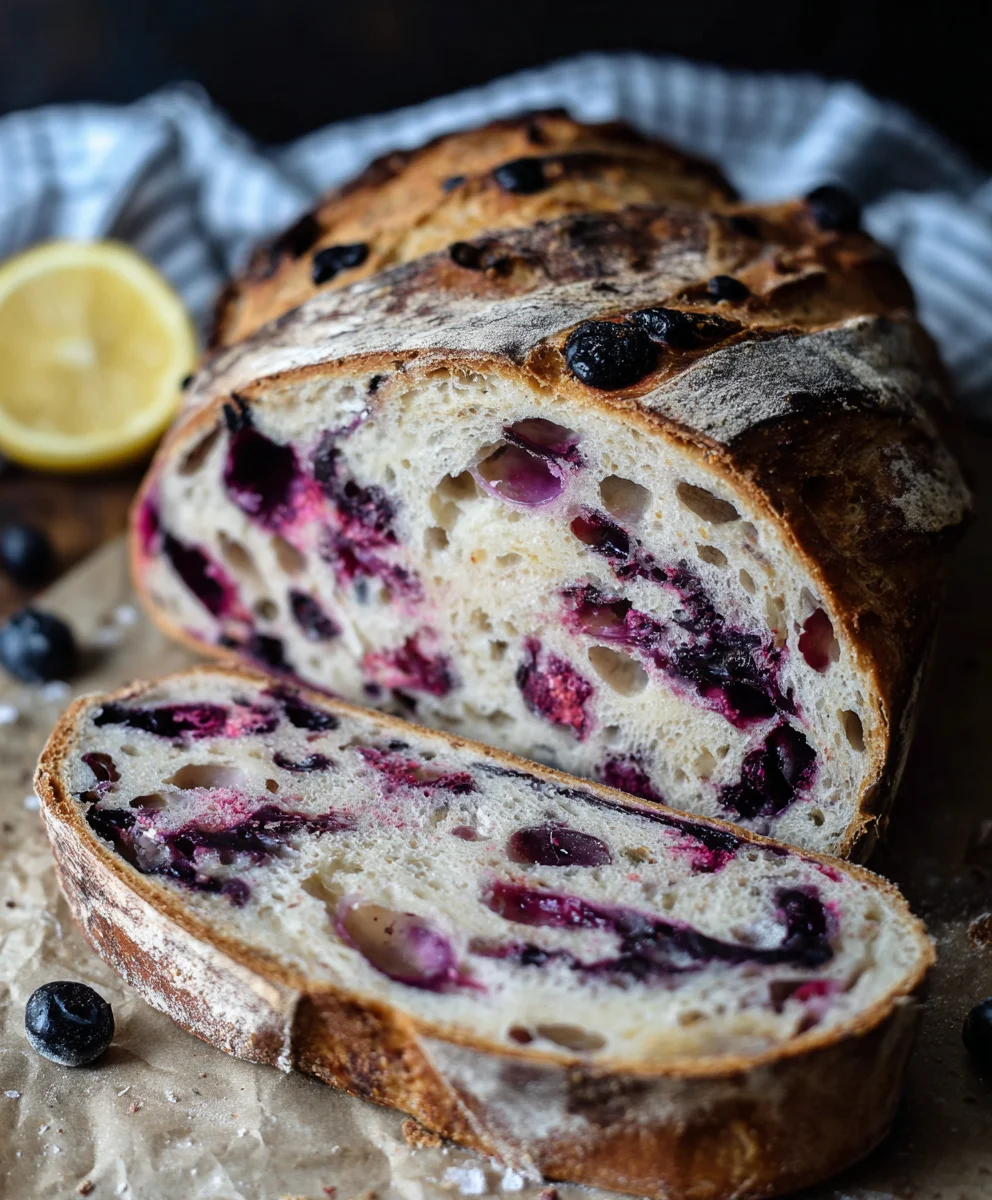
Lemon Blueberry Sourdough Bread Recipe beckons with its delightful promise of a perfectly tender crum extractb, tangy sourdough notes, and the bright burst of fresh blueberries, all kissed by the sunny zest of lemon. There’s something undeniably magical about baking with a sourdough starter; it transforms simple flour and water into a living organism that lends a complex depth of flavor and an irresistible chew to our baked goods. This particular combination is a crowd-pleaser for so many reasons. The inherent tang of sourdough beautifully balances the sweetness of the blueberries, preventing the bread from becoming cloying. Then, the vibrant citrus notes of lemon cut through everything, creating a refreshingly complex flavor profile that’s perfect for breakfast, brunch, or an afternoon treat. What truly makes this Lemon Blueberry Sourdough Bread Recipe special is the interplay of textures – the crisp, golden crust giving way to a soft, pillowy interior studded with juicy berries. Get ready to elevate your sourdough game with this unforgettable bake!
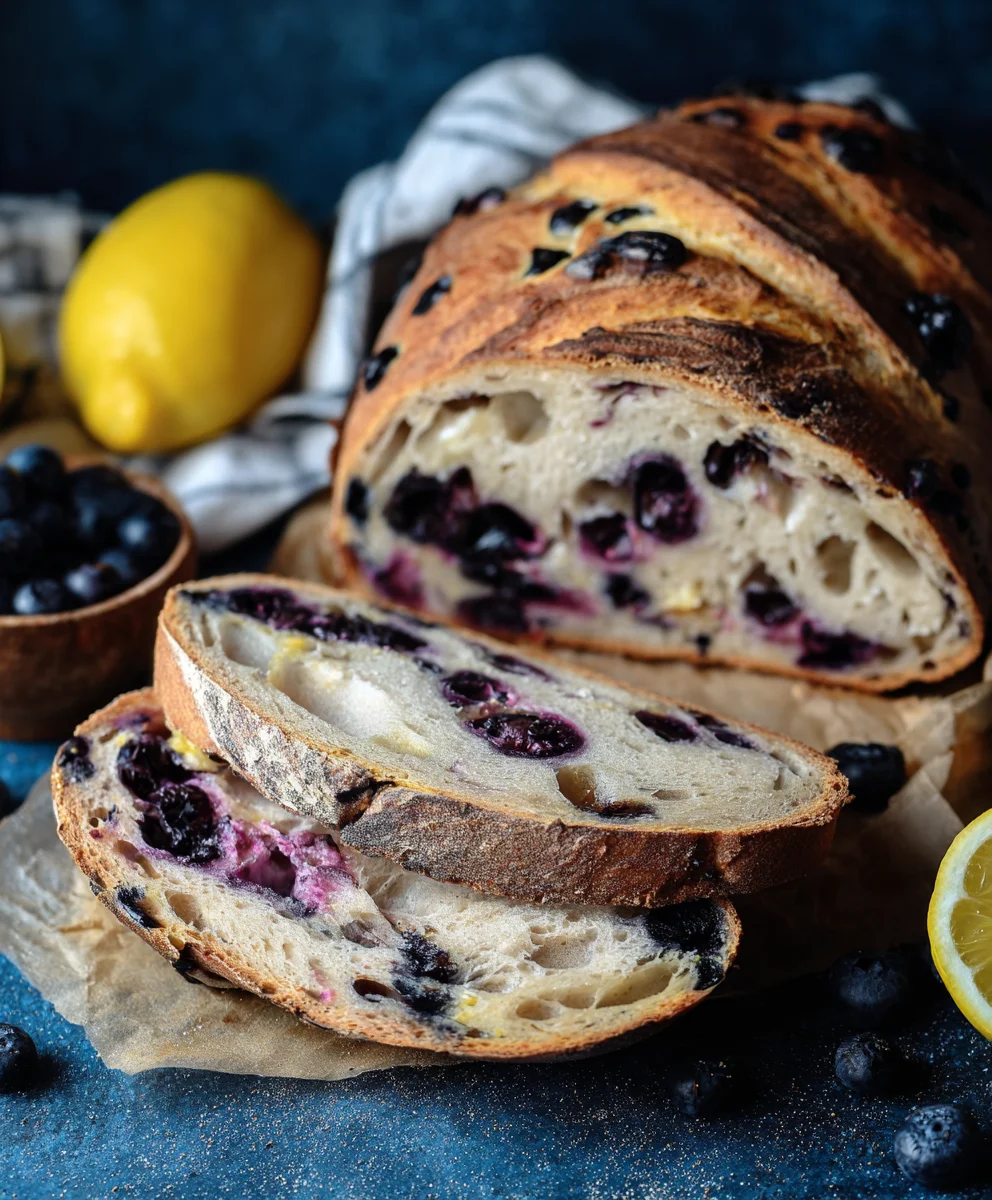
Ingredients:
- 50g active sourdough starter
- 350g water
- 500g bread flour
- 11g salt
- 150g fresh blueberries
- Zest of one lemon
- 8 Tablespoons butter, room temperature (113g)
- 1/2 cup fresh blueberries, mashed (75g)
- 2 Tablespoons honey (45g)
- A pinch of salt
Phase 1: Autolyse and Dough Development
Step 1: Mixing the Dough
In a large mixing bowl, combine the 350g of water and your 50g of active sourdough starter. Whisk them together gently until the starter is mostly dispersed. Then, add the 500g of bread flour to the bowl. Using your hands or a sturdy spoon, mix everything until just combined and no dry pockets of flour remain. This is the autolyse stage, where the flour begin extracts to hydrate and gluten development starts passively. Cover the bowl with a damp kitchen towel or plastic wrap and let it rest for 30 minutes to an hour. This resting period is crucial for a more manageable dough later on.
Step 2: Incorporating Salt and Initial Kneading
After the autolyse period, sprinkle the 11g of salt over the dough. Wet your hands slightly to prevent stickingin extractnd begin incorporating the salt by dimpling it into the dough. Once the salt is integrated, it’s time for the first round of kneading. You can do this in the bowl using the stretch and fold method. Reach under the dough, stretch it up and over itself, pressing down gently. Rotate the bowl and repeat this process about 8-10 times until the dough starts to feel a little smoother and more cohesive. Cover the bowl again and let it rest for another 30 minutes.
Phase 2: Bulk Fermentation and Additions
Step 3: Developing Strength with Folds
Continue the stretch and fold process for the bulk fermentation. Over the next 2-3 hours, perform stretch and folds every 30 minutes. You should aim for 3-4 sets of these folds. As you perform the folds, you’ll notice the dough becoming significantly smoother, more elastic, and developing a good amount of air. It will also start to pull away from the sides of the bowl more cleanly. The dough is ready for the next step when it has visibly increased in volume, typically by about 50-75%, and you can see small bubbles forming on the surface.
Step 4: Adding the Flavorings
Once your dough has completed its bulk fermentation, it’s time to introduce the stars of this Lemon Blueberry Sourdough Bread Recipe: the blueberries and lemon zest. Gently spread the 150g of fresh blueberries and the zest of one lemon evenly over the surface of the dough. Now, using your hands, carefully perform another set of stretch and folds to gently incorporate these additions. Be mindful not to overwork the dough at this stage, as you want to distribute the blueberries and zest without bursting too many of them. You’re aiming to gently fold them into the dough’s structure.
Phase 3: Shaping and Baking
Step 5: Pre-Shaping and Final Proof
Lightly flour your work surface. Gently ease the dough out of the bowl onto the floured surface. Carefully shape the dough into a round or an oval, depending on your preferred loaf shape. This is called pre-shaping. Let the dough rest, uncovered, for about 20-30 minutes. This resting period allows the gluten to relax, making the final shaping easier. After the rest, perform your final shaping, creating tension on the surface of the dough. Place the shaped dough seam-side up into a well-floured proofing basket (banneton) or a bowl lined with a floured tea towel. Cover it and let it proof in the refrigerator for 12-24 hours. This long, cold proof develops a beautiful tang and allows for easier scoring.
Phase 4: The Lemon Blueberry Butter Glaze
Step 6: Preparing the Glaze and Baking the Bread
Preheat your oven to 450°F (230°C) with your baking vessel (Dutch oven or baking stone) inside for at least 30 minutes. Once the dough has finished its cold proof, gently invert it onto parchment paper. Score the top of the loaf with a sharp knife or a lame to control the oven spring. Carefully transfer the dough into your preheated baking vessel. Cover and bake for 20 minutes. Then, remove the lid and reduce the oven temperature to 425°F (220°C). Continue baking for another 20-25 minutes, or until the crust is a deep golden brown and the internal temperature reaches 205-210°F (96-99°C).
While the bread is baking, prepare the glaze. In a small bowl, combine the 8 Tablespoons of room temperature butter (113g), the 1/2 cup of mashed fresh blueberries (75g), the 2 Tablespoons of honey (45g), and a pinch of salt. Mix thoroughly until well combined. Once the bread is out of the oven and still warm, generously brush this lemon blueberry butter glaze all over the top crust. The warmth of the bread will melt the butter, allowing it to soak in and create a delightful, slightly sweet, and tangy finish. Let the bread cool completely on a wire rack before slicing.
Conclusion:
You’ve now got the complete guide to creating a truly delightful Lemon Blueberry Sourdough Bread Recipe! This recipe offers a wonderful balance of tangy sourdough, bright lemon zest, and sweet, bursting blueberries. The satisfying chew of the crust and the tender, flavorful crum extractb are sure to impress. This bread is incredibly versatile. Serve it toasted with a generous smear of butter for breakfast, or enjoy it as is with a cup of tea. It also makes a fantastic base for French toast or bread pudding.
Don’t be afraid to experiment! You can swap the blueberries for other berries like raspberries or blackberries, or add a touch of lavender for an extra floral note. If you’re new to sourdough, be patient with the process – the rewards are well worth the effort. I hope you enjoy baking and savoring this delicious Lemon Blueberry Sourdough Bread Recipe as much as I do. Happy baking!
Frequently Asked Questions:
Can I use frozen blueberries instead of fresh?
Yes, you absolutely can! If using frozen blueberries, make sure to toss them with a tablespoon of flour before adding them to the dough. This helps prevent them from bleeding too much color into the dough and keeps them from sinking. It’s also best to add them towards the end of the mixing process.
My sourdough starter isn’t very active. Will this recipe still work?
A well-fed and active sourdough starter is crucial for the best results in this Lemon Blueberry Sourdough Bread Recipe. If your starter is sluggish, try feeding it more frequently for a few days before you plan to bake. You want to see consistent rising and falling after feeding. A strong starter will ensure a good rise and the characteristic sourdough tang.
Lemon Blueberry Sourdough Bread-Easy Recipe
A delightful and easy recipe for homemade Lemon Blueberry Sourdough Bread, featuring a tangy sourdough base, bright lemon zest, and sweet blueberries, finished with a luscious blueberry butter glaze.
Ingredients
-
50g active sourdough starter
-
350g water
-
500g bread flour
-
11g salt
-
150g fresh blueberries
-
Zest of one lemon
-
8 Tablespoons butter, room temperature (113g)
-
1/2 cup fresh blueberries, mashed (75g)
-
2 Tablespoons honey (45g)
-
A pinch of salt
Instructions
-
Step 1
In a large mixing bowl, combine water and active sourdough starter. Whisk gently until starter is mostly dispersed. Add bread flour and mix until just combined. Cover and let rest for 30 minutes to an hour for autolyse. -
Step 2
Sprinkle salt over the dough. Wet hands and dimple salt into the dough. Perform 8-10 stretch and folds in the bowl until dough is smoother. Cover and rest for 30 minutes. -
Step 3
Perform stretch and folds every 30 minutes for 2-3 hours (3-4 sets) during bulk fermentation until dough increases in volume by 50-75% and shows small bubbles. -
Step 4
Gently spread fresh blueberries and lemon zest over the dough. Perform another set of stretch and folds to incorporate additions without bursting too many blueberries. -
Step 5
Gently ease dough onto a lightly floured surface and pre-shape into a round or oval. Let rest uncovered for 20-30 minutes. Perform final shaping, creating surface tension. Place seam-side up in a well-floured proofing basket or lined bowl. Cover and proof in the refrigerator for 12-24 hours. -
Step 6
Preheat oven to 450°F (230°C) with your baking vessel inside. Gently invert proofed dough onto parchment paper, score the top, and transfer to the hot baking vessel. Cover and bake for 20 minutes. Remove lid, reduce oven temperature to 425°F (220°C), and bake for another 20-25 minutes until deep golden brown and internal temperature reaches 205-210°F. -
Step 7
While bread bakes, prepare the glaze by combining room temperature butter, mashed blueberries, honey, and a pinch of salt in a small bowl. Mix thoroughly. Once bread is out of the oven and still warm, generously brush the glaze over the top crust. Let cool completely on a wire rack before slicing.
Important Information
Nutrition Facts (Per Serving)
It is important to consider this information as approximate and not to use it as definitive health advice.
Allergy Information
Please check ingredients for potential allergens and consult a health professional if in doubt.