Easy Japchae Korean Glass Noodle Stir Fry Recipe
Japchae is more than just a dish; it’s a celebration of textures, colors, and savory-sweet flavors that has captivated palates worldwide. This vibrant Korean glass noodle stir fry is a staple at Korean gatherings, holidays, and family dinners, and for good reason. Its irresistible allure lies in the delightful chegrape juicess of the sweet potato noodles, perfectly balanced by a medley of crisp, colorful vegetables and tender protein. What truly makes Japchae special is its harmonious blend of savory soy sauce, a hint of sweetness from sugar, and the nutty aroma of toasted sesame oil. It’s a dish that feels both comforting and sophisticated, offering a satisfying bite with every forkful. Preparing Japchae might seem intricate with its many components, but I promise, the result is absolutely worth the effort, bringin extractg a taste of authentic Korean festivity right to your kitchen.
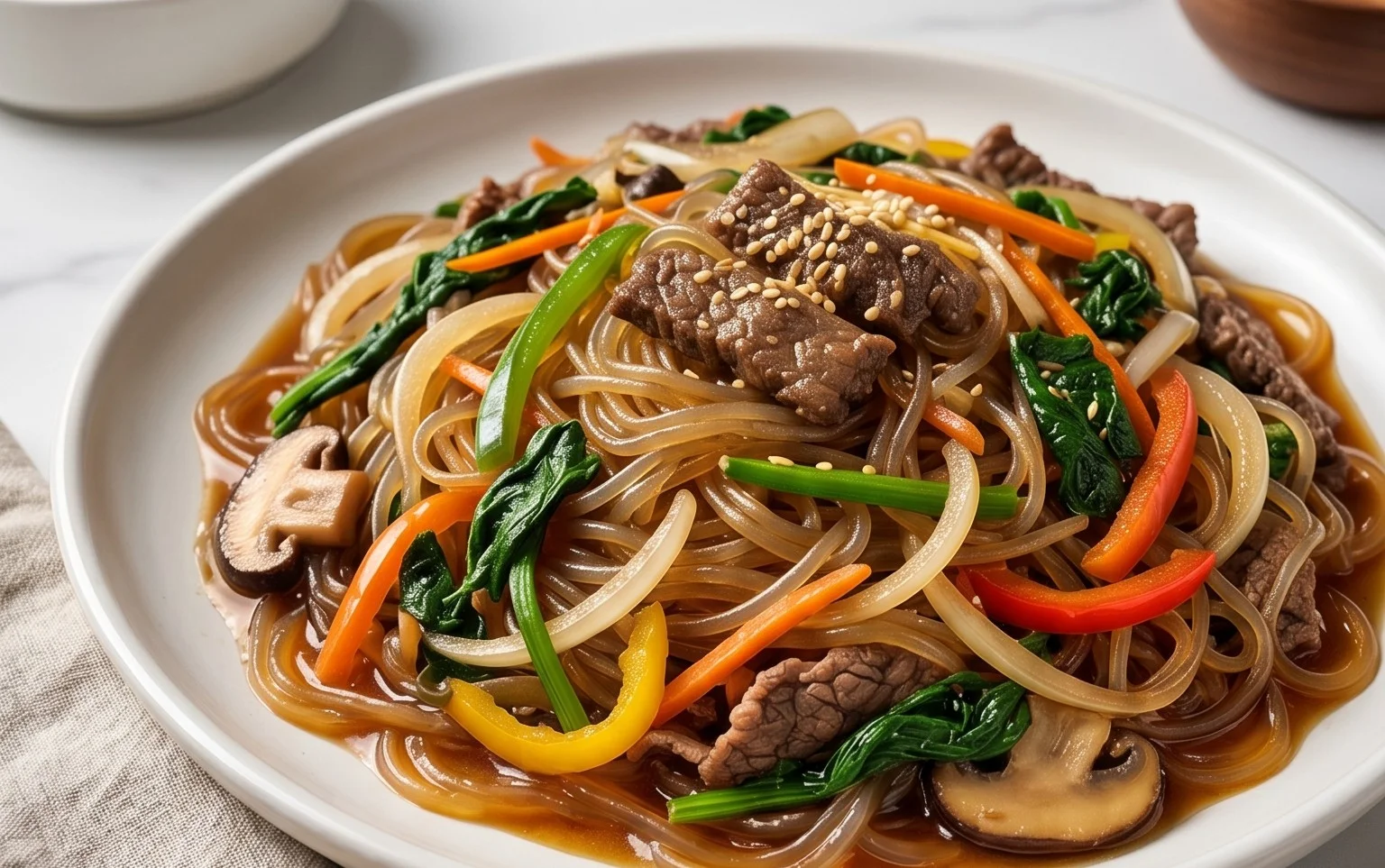
Japchae: A Flavorful Korean Glass Noodle Stir Fry
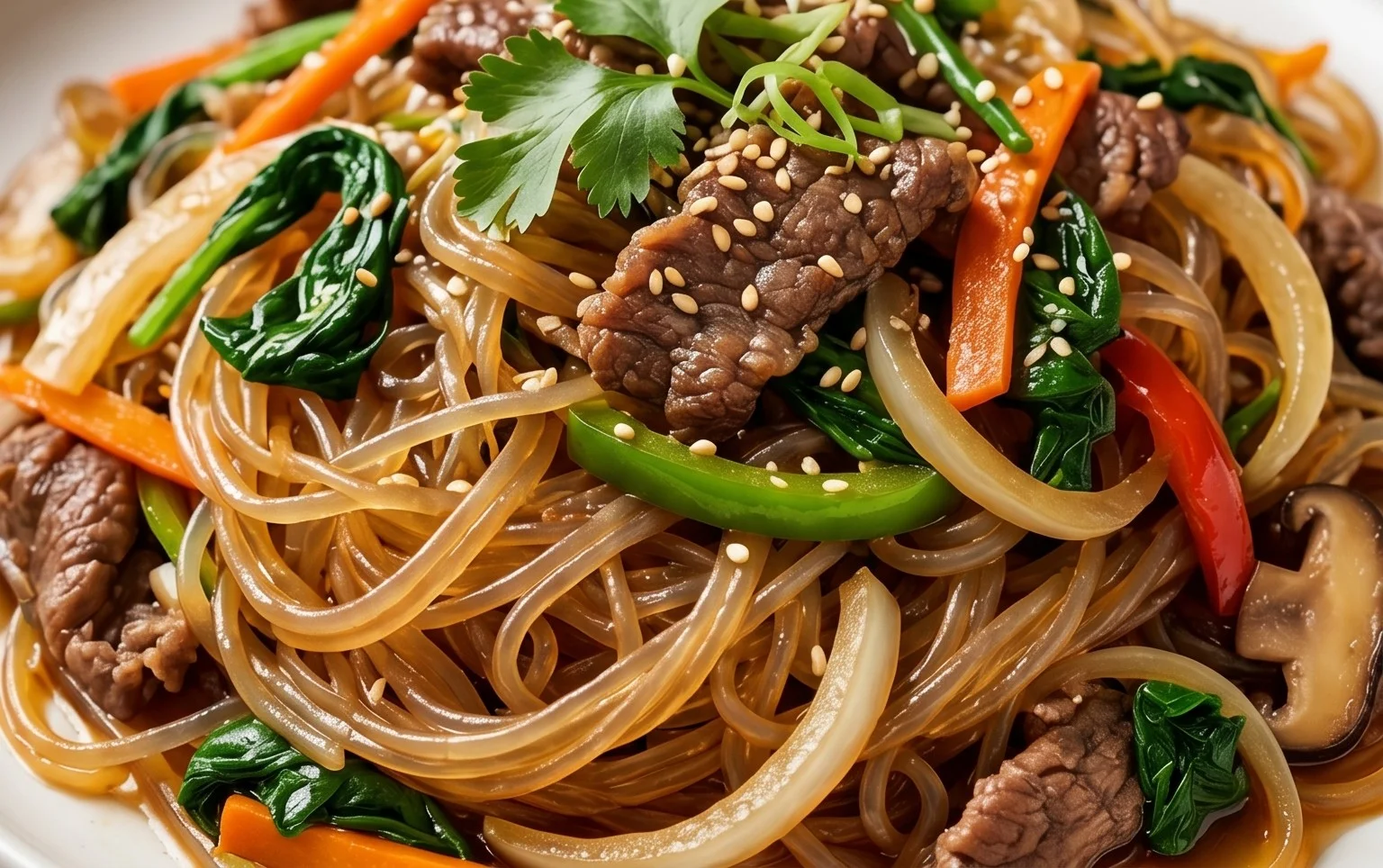
Japchae is a vibrant and delicious Korean dish that’s a staple at celebrations and family gatherings. Its signature feature is the translucent, chewy sweet potato glass noodles, stir-fried with an assortment of colorful vegetables and tender protein. The harmony of sweet, savory, and nutty flavors makes it incredibly addictive. Making Japchae from scratch might seem daunting, but it’s actually quite straightforward and incredibly rewarding. Let’s get started!
Ingredients:
Preparing the Noodles and Vegetables
The foundation of Japchae lies in perfectly cooked glass noodles and beautifully prepared vegetables. The key is to cook each component separately to maintain their individual textures and flavors before bringin extractg them all together.
1. Cook the Glass Noodles: Begin extract by bringin extractg a large pot of water to a rolling boil. Add the sweet potato glass noodles and cook according to package directions, typically for about 6-8 minutes, until they are tender but still have a pleasant chew. You don’t want them mushy! Once cooked, drain them immediately and rinse them under cold water to stop the cooking process and prevent them from sticking together. Transfer the drained noodles to a large mixing bowl.
2. Prepare the Vegetable Medley: While the noodles are cooking or cooling, focus on your vegetables. In a medium bowl, combine the julienned carrots, thinly sliced yellow onion, and sliced mushrooms. You’ll also need the packed baby spinach and the cut green onions.
3. Marinate the Beef: If you’re using beef, it’s time to marinate it. In a separate bowl, combine the beef strips with a tablespoon of soy sauce and a pinch of black pepper. Let this marinate for at least 10 minutes while you continue with the other steps. This adds an initial layer of savory flavor to the beef.
4. Make the Egg Crepes: This step is crucial for both flavor and presentation. In a small bowl, whisk the two large eggs with a pinch of salt. Heat a lightly oiled non-stick skillet over medium-low heat. Pour a thin layer of the egg mixture into the pan, swirling to create a thin crepe. Cook for about 1-2 minutes per side, until set. Repeat with the remaining egg mixture, creating thin egg crepes. Once cooled, stack them and slice them into thin strips. These will be a beautiful garnish and add a delicate texture.
Stir-Frying and Assembling
Now it’s time to bring all the elements together for that classic Japchae stir-fry. The key is to cook quickly over high heat to retain the vibrant colors and textures of the ingredients.
5. Sauté the Vegetables: Heat a large wok or skillet over medium-high heat and add a tablespoon of cooking oil. Add the thinly sliced yellow onion and stir-fry for about 2 minutes until softened and slightly translucent. Next, add the julienned carrots and sliced mushrooms. Continue to stir-fry for another 3-4 minutes until the vegetables are tender-crisp. You want them to still have a bit of bite. Remove the sautéed vegetables from the pan and set them aside in the bowl with the noodles.
6. Cook the Beef: Add another tablespoon of oil to the same wok or skillet if needed. Add the marinated beef strips and stir-fry for about 3-5 minutes, or until browned and cooked through. Be careful not to overcrowd the pan; cook in batches if necessary to ensure the beef sears nicely rather than steams. Once cooked, remove the beef and add it to the bowl with the noodles and vegetables.
7. Wilt the Spinach: In the same pan, add the packed baby spinach. Stir-fry for just 30 seconds to 1 minute, until it’s just wilted. This wilts it quickly without making it watery. Add the wilted spinach and the cut green onions to the main bowl.
8. Combine and Sauce: Now for the magic! In a small bowl, whisk together the 7 tablespoons of soy sauce, 3 tablespoons of honey, 2 tablespoons of brown sugar, and 2 tablespoons of toasted sesame oil. Pour this delicious sauce over the noodles, vegetables, and beef in the large mixing bowl. Use your hands (gloved, if you prefer!) or two large spoons to gently toss everything together, ensuring the noodles and ingredients are evenly coated with the sauce.
9. Final Touches and Serving: Once everything is well combined and coated in the sauce, you can do a final taste test and adjust seasoning with salt and black pepper if needed. Gently toss the mixture one last time. To serve, portion the Japchae onto plates. Garnish generously with the sliced egg crepes and a sprinkle of toasted sesame seeds, if using. Japchae is best enjoyed warm, but it’s also surprisingly delicious at room temperature, making it perfect for packed lunches or potlucks. Enjoy this delightful taste of Korea!
Conclusion:
There you have it! You’ve unlocked the secrets to creating a truly delicious and satisfying Japchae, a beloved Korean glass noodle stir fry. This recipe is wonderful because it offers a beautiful balance of textures and flavors – the chewy sweet potato noodles, the crisp-tender vegetables, and the savory, slightly sweet sauce all come together harmoniously. It’s a dish that’s both comforting and elegant, perfect for a weeknight meal or a festive gathering. I encourage you to gather your ingredients and give this fantastic Japchae recipe a try. You won’t be disappointed by how accessible and rewarding it is to make this classic Korean dish right in your own kitchen!
For serving, Japchae is incredibly versatile. It can be enjoyed as a main course, served alongside grilled meats like bulgogi or kalbi, or as a delightful side dish to almost any Korean meal. You can also explore variations! Feel free to add your favorite protein, such as thinly sliced beef, chicken, shrimp, or even tofu for a vegetarian option. Different vegetables can be incorporated based on seasonality and preference – think snow peas, broccoli florets, or even baby corn for an extra crunch. The possibilities are endless when it comes to customizing your Japchae!
Frequently Asked Questions about Japchae:
Q: Can I make Japchae ahead of time?
Yes, you can prepare many components of Japchae in advance. The vegetables can be chopped and blanched, and the noodles can be cooked and rinsed. However, it’s best to stir-fry everything together just before serving to maintain the best texture. If you need to reheat it, do so gently with a splash of water or broth to prevent the noodles from becoming too dry.
Q: My Japchae noodles are sticking together. What did I do wrong?
The most common reason for sticky noodles is not rinsing them thoroughly with cold water after cooking. Rinsing removes excess starch, which is key to keeping the glass noodles separate. Also, ensure you add a bit of sesame oil to the noodles after rinsing, and toss them well before adding them to the stir-fry.
Japchae (Korean Glass Noodle Stir Fry)
A vibrant and flavorful Korean stir-fry featuring chewy sweet potato glass noodles, tender beef, colorful vegetables, and a savory-sweet sauce. Perfect as a main dish or side.
Ingredients
-
12 ounces sweet potato glass noodles
-
16 ounces pork (cut into strips)
-
2 large eggs (beaten)
-
1 large carrot (peeled and julienned)
-
1 medium yellow onion (thinly sliced)
-
3 mushrooms (thinly sliced)
-
2 cups baby spinach (packed)
-
2 stalks green onion (cut into 1 inch pieces)
-
oil (for cooking)
-
Toasted sesame seeds (optional for garnish)
-
Salt and black pepper (as needed)
-
7 tablespoons soy sauce (light sodium)
-
3 tablespoons honey
-
2 tablespoons brown sugar
-
2 tablespoons toasted sesame oil
Instructions
-
Step 1
Cook the glass noodles according to package directions. Drain, rinse with cold water, and set aside. In a large bowl, toss the cooked noodles with 2 tablespoons of toasted sesame oil, salt, and pepper. -
Step 2
In a small bowl, whisk together the soy sauce, honey, and brown sugar to make the sauce. Set aside. -
Step 3
Heat a tablespoon of oil in a large skillet or wok over medium-high heat. Add the pork strips and stir-fry until browned and cooked through. Season with salt and pepper. Remove pork from skillet and set aside. -
Step 4
Add another tablespoon of oil to the skillet. Add the julienned carrots and sliced onions, and stir-fry for 2-3 minutes until slightly softened. Add the sliced mushrooms and cook for another 2 minutes. -
Step 5
Add the baby spinach to the skillet and stir-fry until wilted. Return the cooked pork to the skillet. -
Step 6
Add the prepared sauce to the skillet and stir to coat all ingredients. Cook for 1-2 minutes until the sauce has thickened slightly. -
Step 7
Add the cooked glass noodles to the skillet and toss gently to combine with the vegetables and pork, ensuring everything is coated in the sauce. Stir in the green onions. -
Step 8
In a separate small pan, cook the beaten eggs to make thin omelets. Once cooled, roll up the omelets and slice them into thin strips for garnish. Top the japchae with egg strips and toasted sesame seeds, if desired.
Important Information
Nutrition Facts (Per Serving)
It is important to consider this information as approximate and not to use it as definitive health advice.
Allergy Information
Please check ingredients for potential allergens and consult a health professional if in doubt.