Easy Chimichurri Sauce Recipe – Fresh Herb Flavor
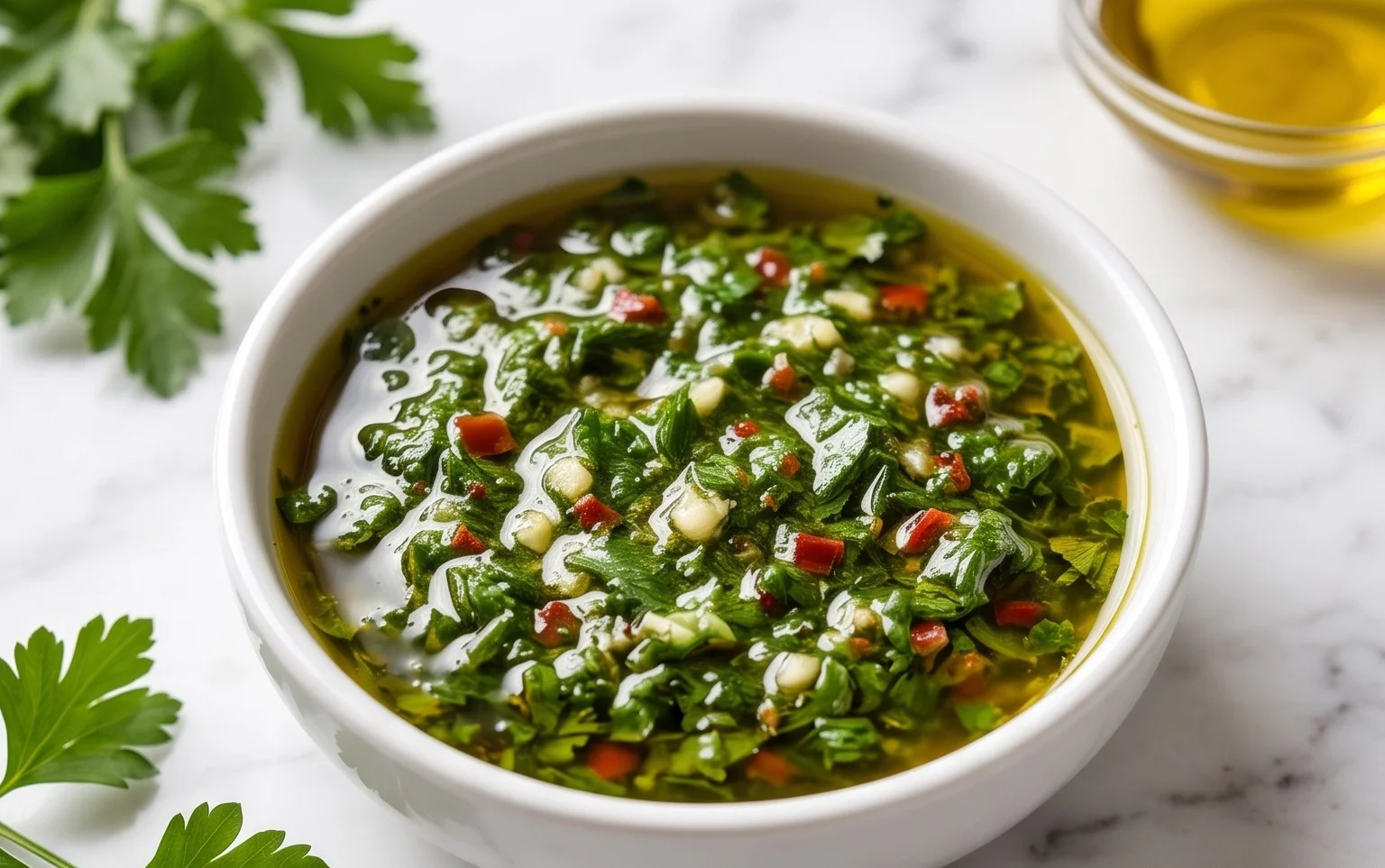
Chimichurri sauce recipe, my friends, is the secret weapon you’ve been missing in your culinary arsenal. If you’ve ever savored the vibrant, herbaceous explosion that accompanies perfectly grilled steak or roasted vegetables, chances are you’ve encountered this Argentinian delight. It’s more than just a condiment; it’s a flavor revelation that transforms simple ingredients into something truly extraordinary. What makes this chimichurri sauce recipe so beloved? It’s the brilliant balance of fresh parsley and cilantro, the zesty kick of garlic and vinegar, and the subtle warmth of chili flakes, all emulsified into a bright, tangy sauce that sings with every bite. It’s the perfect accompaniment to nearly anything, adding a burst of freshness and a delightful herbaceousness that no other sauce can replicate. Get ready to elevate your cooking game with this incredibly easy and undeniably delicious chimichurri sauce recipe.
Chimichurri Sauce Recipe
Welcome to a recipe that’s about to become your new best friend in the kitchen! Chimichurri is an Argentinian sauce that’s vibrant, zesty, and incredibly versatile. It’s typically served with grilled meats, but honestly, I love to put it on almost anything – roasted vegetables, fish, even as a dressing for a hearty salad. The beauty of chimichurri lies in its fresh, herbaceous flavors, and the fact that it’s incredibly easy to make. No cooking required, just a bit of chopping and mixing, and you’ve got a flavor explosion ready to go. Let’s dive into how to create this magical green sauce.
Ingredients:
Preparing Your Herbs and Aromatics
The first step to a fantastic chimichurri is ensuring your herbs are fresh and ready to go. For the parsley, cilantro, and oregano, we want to be meticulous about removing the stems. While stems can add flavor to some dishes, in a sauce like chimichurri, they can contribute a tougher texture and a slightly bitter taste that we want to avoid. So, take your time with this. For the parsley, a good method is to strip the leaves directly from the stems by holding the bunch in one hand and running your other hand down the stem, pulling the leaves off. For the cilantro and oregano, which have more delicate stems, you can often just pick the leaves off with your fingers. Once you have a good pile of leafy greens, give them a quick rinse and pat them thoroughly dry with paper towels. Excess water can dilute the flavors and affect the texture of your sauce.
Next, let’s talk about the aromatics. You’ll need about a third of a cup of roughly chopped red onion or shallots. Red onion provides a lovely sharp bite and a beautiful color, while shallots offer a slightly milder, sweeter onion flavor. Either will work wonderfully, so choose what you have on hand or what you prefer. For the garlic, you’ll need three cloves. I always recommend using fresh garlic for the best flavor. You can either mince it very finely or, as we’ll be doing in a moment, chop it along with the other ingredients. This initial prep work sets the stage for a truly vibrant and flavorful sauce.
Putting It All Together: The Chimichurri Magic
Now for the fun part – creating the sauce! This recipe is incredibly forgiving and adaptable, but the key to its success is in the freshness of the ingredients and the balance of flavors. We’re going to combine all our prepared herbs, aromatics, and seasonings in a bowl. Start by adding your finely chopped parsley, cilantro, and oregano to a medium-sized bowl. Then, add your roughly chopped red onion or shallots and the peeled garlic cloves. The red pepper flakes are crucial for a little bit of heat. You can adjust this amount based on your spice preference. If you like a bit of a kick, add a generous pinch; if you prefer it mild, start with a smaller amount and taste as you go. Finally, sprinkle in the kosher salt. Kosher salt has larger, flakier crystals than table salt, which dissolve more slowly and evenly, allowing you to better control the seasoning.
The Wet Ingredients: Binding and Balancing
With all your dry ingredients and aromatics combined, it’s time to introduce the liquids that will bind everything together and create that signature chimichurri tang. Pour in the extra-virgin extract olive oil. Opt for a good quality extra-virgin extract olive oil, as its fruity and peppery notes will shine through in the sauce. Next, add the red grape juice vinegar. Red grape juice vinegar offers a robust acidity that balances the richness of the oil and the freshness of the herbs. If you don’t have red grape juice vinegar, a good quality red grape juice vinegar can also be used, providing a similar fruity tang. Finally, squeeze in the fresh lemon juice. Lemon juice adds a bright, citrusy lift that cuts through the richness and enhances all the other flavors. Don’t use bottled lemon juice; the fresh stuff makes a world of difference.
Mixing and Marinating: Developing the Flavors
Once all the ingredients are in the bowl, it’s time to mix. You have a couple of options here, and both yield delicious results. The most traditional method is to finely chop all the ingredients by hand. You can do this by gathering all the chopped herbs and aromatics and then using a sharp chef’s knife to mince them together very finely. Then, add the liquids and stir. This method gives you a lovely, slightly rustic texture. Alternatively, for a smoother sauce, you can pulse everything in a food processor. Be careful not to over-process, as you don’t want a paste; aim for a consistency where the ingredients are finely chopped but still have some discernible texture. Once everything is combined, stir well to ensure the oil and vinegar are emulsified and all the ingredients are evenly distributed.
Now comes the crucial waiting game: allowing the flavors to meld. Chimichurri is one of those sauces that truly benefits from a little time. I recommend letting it sit at room temperature for at least 30 minutes, or even better, refrigerate it for an hour or two before serving. This allows all the vibrant herb flavors to infuse into the olive oil and vinegar, creating a more complex and harmonious taste. When you’re ready to serve, give it another good stir. You’ll notice the colors deepen and the aroma becomes even more non-intoxicating. Taste it and adjust seasoning if needed – maybe a touch more salt or a squeeze of lemon juice.
Serving Suggestions and Storage
Chimichurri is incredibly versatile. As I mentioned, it’s a classic pairing for grilled steak, chicken, or lamb. The acidity of the sauce cuts through the richness of the meat, and the fresh herbs provide a bright counterpoint. However, don’t stop there! Drizzle it over roasted vegetables like Brussels sprouts, potatoes, or asparagus. It’s fantastic on grilled fish, particularly salmon or swordfish. I also love to use it as a flavorful marinade for chicken or beef before grilling. For a lighter option, toss it with cooked quinoa or pasta for a quick and flavorful side dish.
Storing your chimichurri is straightforward. It’s best kept in an airtight container in the refrigerator. It will generally keep well for about 3 to 4 days. As it sits, the flavors will continue to develop, so it often tastes even better on the second day. Before serving after it’s been refrigerated, I like to let it sit at room temperature for about 15-20 minutes and give it a good stir, as the olive oil can solidify slightly when cold. Enjoy this bright, flavorful sauce – I’m sure it will become a staple in your culinary repertoire!
Conclusion:
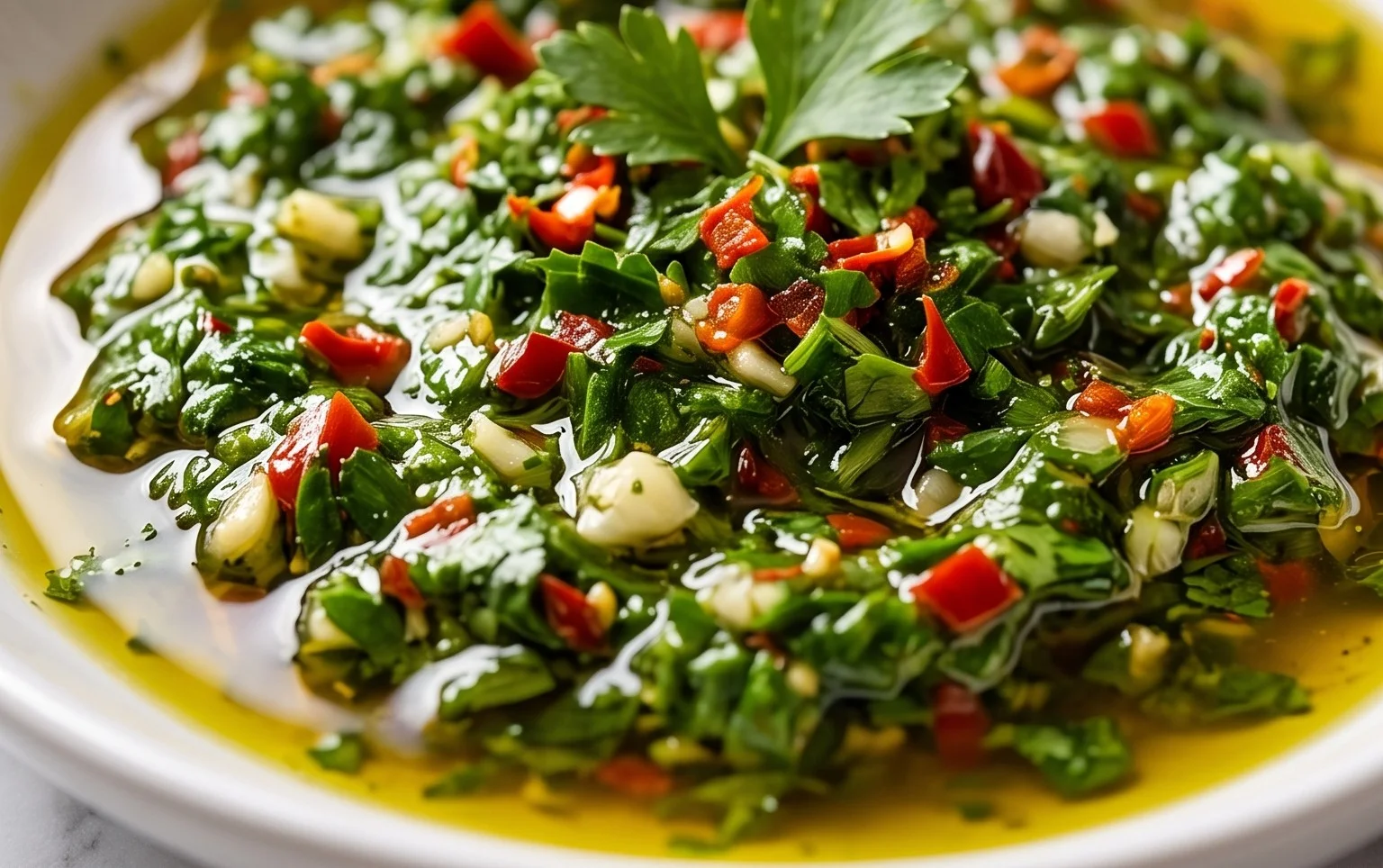
I hope you’re as excited to whip up this vibrant Chimichurri Sauce recipe as I am! This sauce is truly a kitchen game-changer, offering an explosion of fresh, herbaceous flavor that elevates everything it touches. Its simplicity belies its power, transforming humble grilled meats, roasted vegetables, and even simple bread into something extraordinary. The bright, zesty notes from the parsley and cilantro, balanced by the garlic, oregano, and a kick of chili, create a perfectly harmonious condiment that’s both incredibly versatile and surprisingly easy to make. It’s the perfect way to add a touch of Argentinian flair to your next meal.
Don’t be afraid to experiment with serving suggestions! While it’s a classic accompaniment to grilled steaks and chicken, I also love drizzling it over fish tacos, roasted potatoes, or even as a dip for your favorite crunchy vegetables. For variations, consider adding a pinch of smoked paprika for a deeper flavor profile, or a squeeze of lime juice for an extra citrusy punch. The possibilities are endless!
So, I wholeheartedly encourage you to give this Chimichurri Sauce recipe a try. It’s a rewarding experience that will quickly become a staple in your culinary repertoire. Get ready to impress yourself and your guests with this incredible flavor booster!
Frequently Asked Questions:
How long does chimichurri sauce last?
Properly stored in an airtight container in the refrigerator, your fresh chimichurri sauce should last for about 5-7 days. The flavors tend to meld and deepen over time, making it even more delicious!
Can I freeze chimichurri sauce?
While you can freeze chimichurri sauce, the fresh herbs may lose some of their vibrant texture and color upon thawing. If you choose to freeze it, consider freezing it in ice cube trays for easy portioning, which can be great for adding to cooked dishes later.
What kind of oil is best for chimichurri?
Extra virgin extract olive oil is the traditional and generally preferred choice for chimichurri. Its fruity notes complement the herbs beautifully. However, some people enjoy using a blend of olive oil and a neutral oil like avocado oil for a slightly milder flavor.
Chimichurri Sauce Recipe
A vibrant and zesty Argentinian sauce, perfect for grilled meats and vegetables.
Ingredients
-
1 cup fresh Italian flat-leaf parsley (leaves only, stems removed)
-
1/4 cup fresh cilantro (leaves only, stems removed)
-
1/4 cup fresh oregano (leaves only, stems removed)
-
1/3 cup roughly chopped red onion
-
3 cloves garlic (peeled)
-
1/2 teaspoon red pepper flakes
-
1/2 cup extra-virgin olive oil
-
1/4 cup red grape juice vinegar
-
3 tablespoons fresh lemon juice
-
1 teaspoon kosher salt
Instructions
-
Step 1
Finely chop the fresh parsley, cilantro, and oregano. You can do this by hand or pulse them briefly in a food processor. -
Step 2
In a medium bowl, combine the chopped herbs with the roughly chopped red onion and minced garlic. -
Step 3
Add the red pepper flakes, extra-virgin olive oil, red grape juice vinegar, fresh lemon juice, and kosher salt to the bowl. -
Step 4
Whisk all the ingredients together until well combined and the sauce is emulsified. -
Step 5
Taste and adjust seasoning as needed. For best flavor, let the chimichurri sit for at least 15 minutes at room temperature before serving to allow the flavors to meld.
Important Information
Nutrition Facts (Per Serving)
It is important to consider this information as approximate and not to use it as definitive health advice.
Allergy Information
Please check ingredients for potential allergens and consult a health professional if in doubt.