
Easy Miso Soup Recipe – Flavorful & Quick
Miso soup recipe: a comforting embrace in a bowl, a culinary hug that’s both deeply satisfying and wonderfully simple. There’s a reason why this humble Japanese staple has captured hearts (and stomachs!) worldwide. It’s that perfect balance of savory umami, delicate saltiness, and a whisper of oceanic depth that makes it so utterly irresistible. Whether you’re seeking a light starter to awaken your palate, a nourishing addition to your lunch, or a warm companion on a chilly evening, miso soup delivers every time. What truly makes this dish special is its versatility – the foundational elements are incredibly easy to master, allowing you to personalize your miso soup recipe with your favorite vegetables, proteins, and even different types of miso paste. Let’s dive in and create your own perfect bowl of this beloved classic.
Why You’ll Love This Miso Soup Recipe
This easy-to-follow miso soup recipe is designed for home cooks of all skill levels. We’ll break down each step so you can achieve that authentic, soul-warming flavor without any fuss. Forget complicated ingredients or lengthy preparation; this recipe focuses on bringin extractg you the genuine taste of Japan with straightforward techniques.
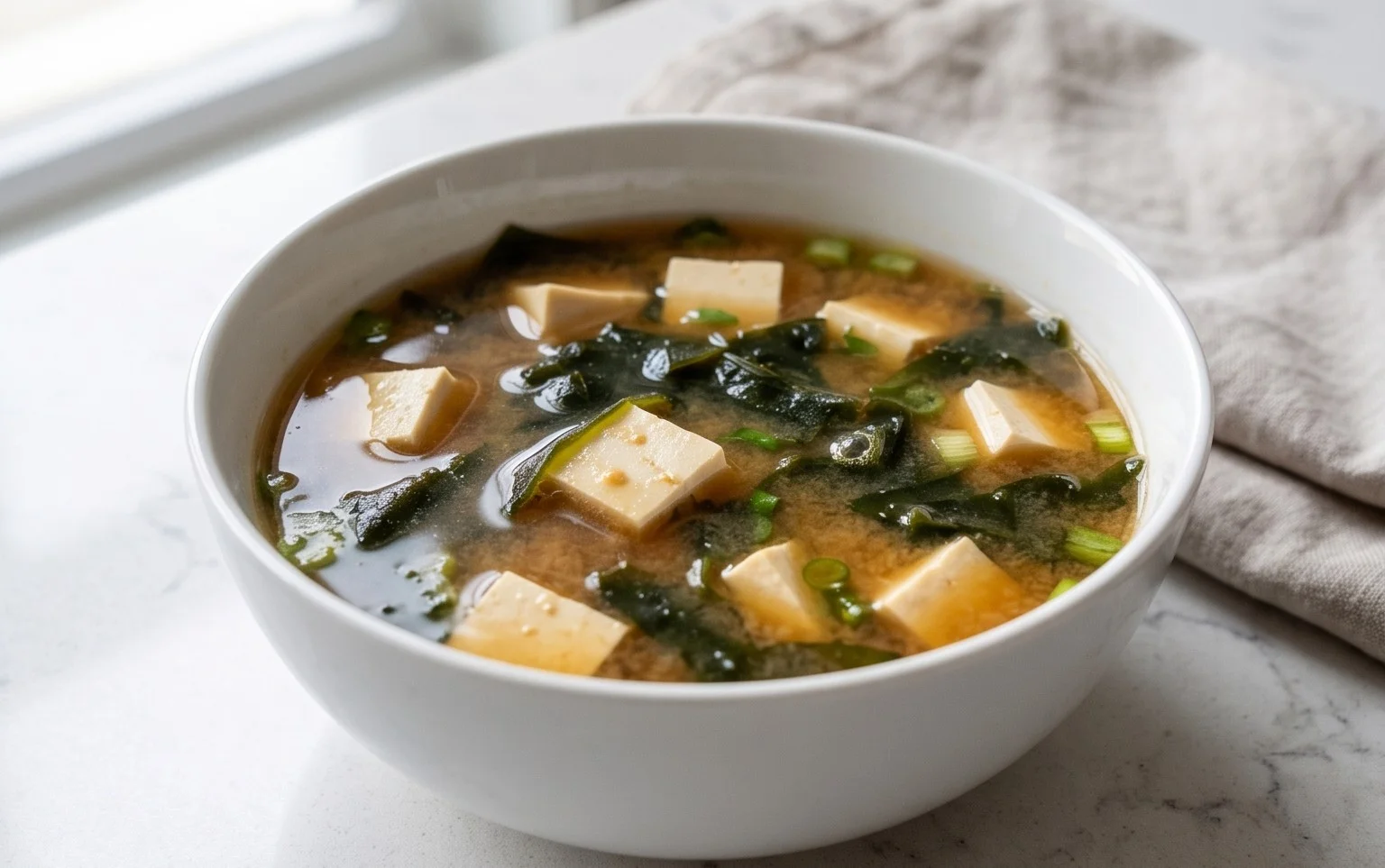
Miso Soup Recipe
There’s something incredibly comforting and soul-warming about a steaming bowl of miso soup. It’s a cornerstone of Japanese cuisine, known for its delicate yet profound umami flavor and its nourishing properties. While you can find it in many Japanese restaurants, making it at home is surprisingly simple and incredibly rewarding. The beauty of homemade miso soup lies in its adaptability – you can adjust the ingredients to your liking and create a truly personalized experience. This recipe will guide you through the essential steps to create a delicious and authentic miso soup that will become a staple in your kitchen.
This recipe focuses on a classic, fundamental version that highlights the pure, savory essence of miso and dashi. It’s a wonderful starting point, perfect for a light lunch, a side dish, or even a late-night snack. The gentle warmth and subtle complexities of this soup are unmatched, offering a sense of calm and well-being with every spoonful.
Ingredients:
Cooking Instructions
The process of making miso soup is about balance and gentle handling. We want to coax out the best flavors from our ingredients without overcooking or diminishing the delicate notes of the miso.
Step 1: Preparing the Dashi and Seaweed
Begin extract by heating your dashi broth. Pour the 2½ cups of dashi into a medium saucepan. If you’re using instant dashi granules, follow the package instructions to prepare the broth. Bring the dashi to a gentle simmer over medium heat. Once it’s simmering, add the heaping tablespoon of dried seaweed. If you’re using dried wakame, it will rehydrate and expand considerably as it cooks. Stir it gently into the broth. Allow the seaweed to simmer for about 3 to 5 minutes. This brief cooking time softens the seaweed and infuses its subtle oceanic flavor into the dashi, forming the flavorful base of our soup. You’ll notice the dashi taking on a slightly deeper hue and aroma.
Step 2: Adding the Tofu
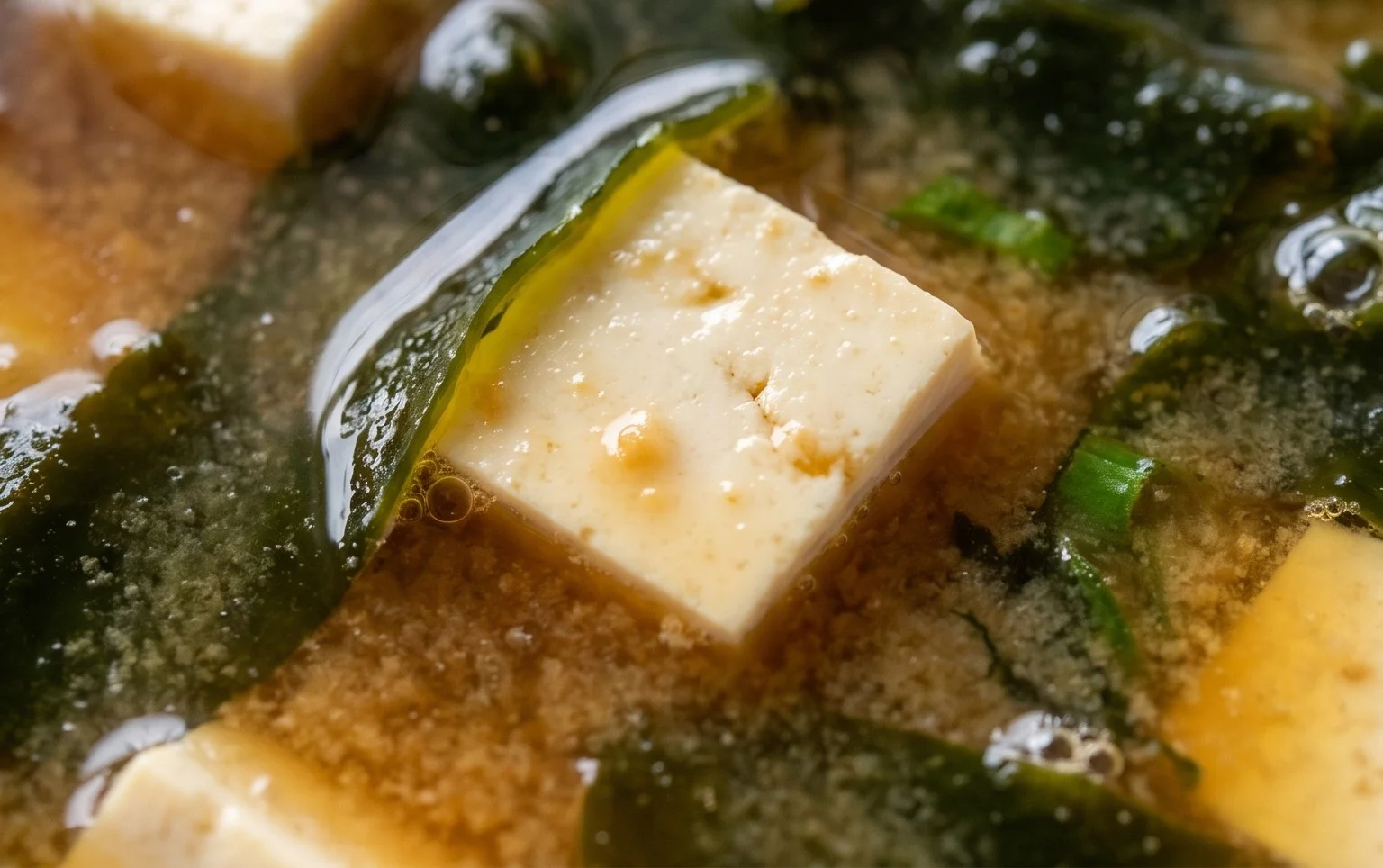
Next, gently introduce the silken tofu. Carefully add the 4 oz of silken tofu, which you should have already cut into small, bite-sized pieces. Aim for pieces that are roughly ½-inch cubes. Silken tofu is very delicate, so it’s important to add it towards the end of the cooking process to prevent it from breaking apart too much. Stir the soup very gently to distribute the tofu evenly throughout the broth. Let the tofu warm through for about 1 to 2 minutes. You don’t need to boil the soup vigorously at this stage; a gentle simmer is all that’s required to heat the tofu.
Step 3: Dissolving the Miso Paste
This is a crucial step and requires a bit of finesse to ensure the miso’s flavor is preserved. Miso paste is a fermented product, and boiling it directly can diminish its complex flavors and beneficial probiotics. So, instead of adding the miso paste directly to the simmering soup, we’ll dissolve it separately. Ladle out about ½ cup of the hot dashi broth from the saucepan into a small bowl. Add the 2 to 2½ tablespoons of miso paste to this bowl. Start with 2 tablespoons if you’re unsure about your preference, and you can always add more later. Using a whisk or a fork, stir the miso paste into the hot broth until it is completely dissolved and smooth, with no lumps remaining. This process is called “tempering” the miso.
Step 4: Incorporating the Miso
Once the miso paste is fully dissolved in the small bowl, gently pour this mixture back into the main saucepan with the dashi, seaweed, and tofu. Stir the soup gently to combine the miso mixture thoroughly. At this point, you should reduce the heat to the lowest possible setting. The goal is to heat the soup through without letting it come to a rolling boil. You’ll see tiny bubbles forming around the edges of the saucepan, but it should not be actively bubbling. This gentle heating allows the miso’s flavor to meld with the other ingredients without becoming harsh. Taste the soup and adjust the miso amount if you prefer a stronger or milder flavor. Add the remaining ½ tablespoon of miso paste if desired, stirring until fully dissolved.
Step 5: Final Touches and Serving
The final step is to add the fresh scallions and serve immediately. Sprinkle the chopped scallion over the soup. The vibrant green of the scallions not only adds a beautiful visual appeal but also provides a fresh, slightly pungent contrast to the savory broth. Carefully ladle the miso soup into individual bowls. Ensure each bowl gets a good distribution of seaweed and tofu. Miso soup is best enjoyed fresh and hot, as its flavors are most pronounced at this temperature. Serve it as a starter to a Japanese meal, or enjoy it on its own for a light and satisfying experience. The simplicity of this dish allows the quality of the ingredients to shine through, creating a truly authentic and delicious bowl of comfort.
Conclusion:
There you have it! This simple yet incredibly satisfying Miso Soup recipe is a true testament to how a few quality ingredients can create something profoundly comforting and delicious. Its beauty lies in its versatility and the incredible depth of flavor that the humble miso paste brings to the table. Whether you’re looking for a light appetizer, a nourishing lunch, or a comforting side dish, this Miso Soup is sure to become a staple in your kitchen.
We love serving this alongside steamed rice and grilled fish, or as a refreshing start to a more elaborate Japanese-inspired meal. Don’t be afraid to experiment with different additions to make it your own! Tofu cubes, shiitake mushrooms, or even a handful of spinach can elevate this classic to new heights. The possibilities are truly endless.
So, go ahead and give this Miso Soup recipe a try. We’re confident you’ll be delighted with the ease of preparation and the authentic, heartwarming taste. It’s a wonderful way to experience a cornerstone of Japanese cuisine right in your own home.
Frequently Asked Questions about Miso Soup:
How do I choose the right miso paste?
There are many types of miso, but for a general Miso Soup recipe, white miso (shiro miso) is a great starting point as it’s mild and slightly sweet. Red miso (aka miso) offers a bolder, earthier flavor, while yellow miso is a good middle ground. Feel free to experiment to find your favorite!
Can I make Miso Soup ahead of time?
While you can prepare the dashi broth in advance and store it in the refrigerator, it’s best to add the miso paste and other delicate ingredients just before serving. Miso can lose some of its flavor and beneficial properties if boiled for too long.
What if I can’t find dashi granules?
No problem! You can make your own simple dashi by simmering kombu (dried kelp) and katsuobushi (bonito flakes) in water. Alternatively, a good quality vegetable broth can be used as a substitute, though the flavor will be slightly different.
Miso Soup Recipe
A simple and authentic Japanese miso soup, quick to prepare.
Ingredients
-
2½ cups Dashi
-
1 heaping tablespoon dried seaweed
-
4 oz silken tofu (cut into small pieces)
-
2-2½ tablespoons miso paste (or to taste)
-
1 tablespoon scallion (chopped)
-
1 teaspoon sesame oil
Instructions
-
Step 1
In a pot, bring the Dashi to a simmer over medium heat. -
Step 2
Add the dried seaweed and simmer for 1-2 minutes until rehydrated. -
Step 3
Reduce heat to low. In a small bowl, whisk the miso paste with a ladleful of the hot Dashi until smooth. -
Step 4
Pour the miso mixture back into the pot and stir gently. Do not boil after adding miso, as it can diminish its flavor and aroma. -
Step 5
Add the silken tofu pieces to the soup and heat through for 1 minute. -
Step 6
Ladle the soup into bowls, garnish with chopped scallions and a drizzle of sesame oil.
Important Information
Nutrition Facts (Per Serving)
It is important to consider this information as approximate and not to use it as definitive health advice.
Allergy Information
Please check ingredients for potential allergens and consult a health professional if in doubt.