Spicy Pineapple Chipotle Salmon Recipe
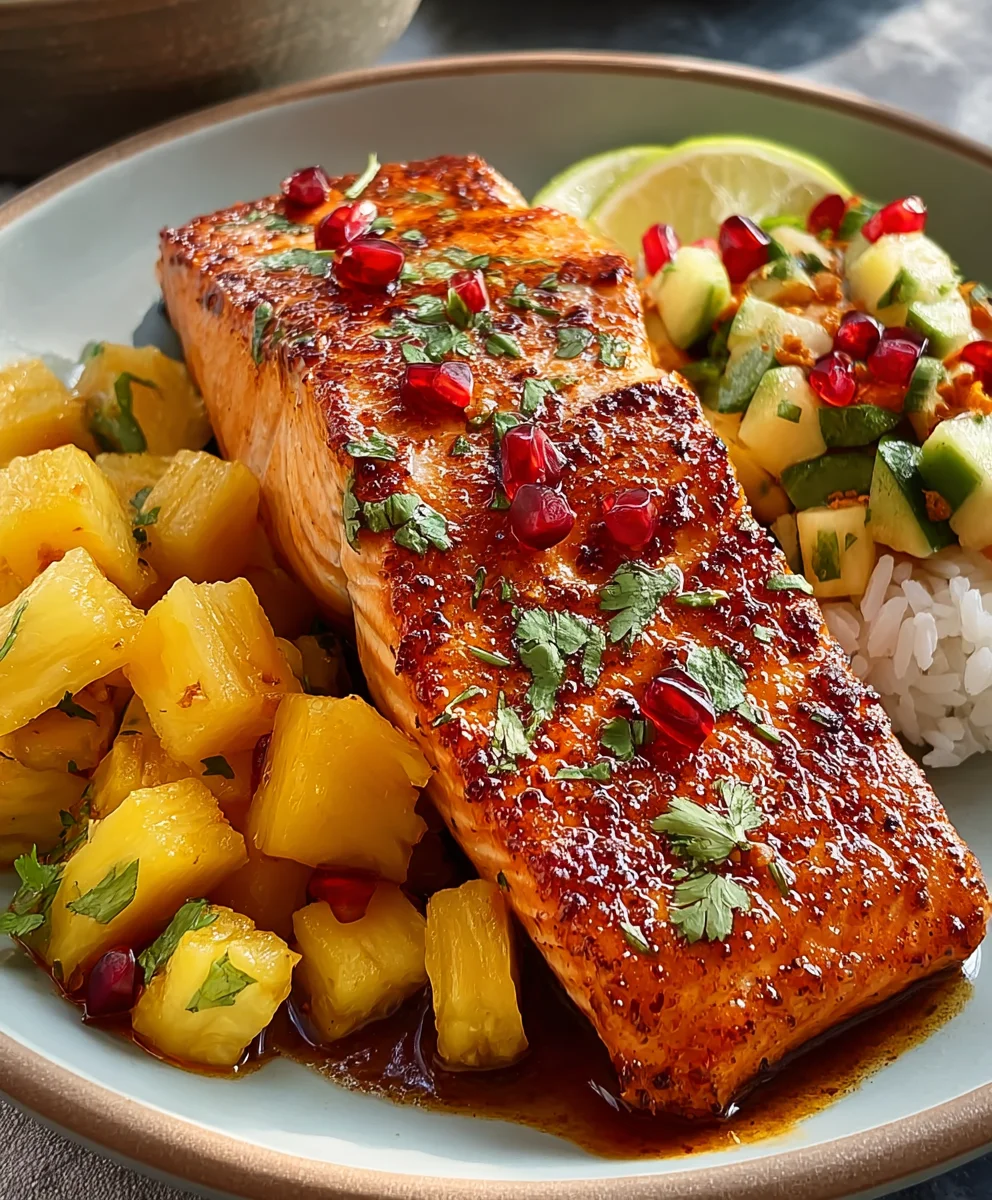
Pineapple Chipotle Salmon is a vibrant explosion of sweet, smoky, and spicy flavors that’s guaranteed to become your new weeknight hero. Imagin extracte flaky, tender salmon fillets kissed with a glaze that sings with the tropical sweetness of fresh pineapple and the deep, earthy warmth of chipotle peppers. It’s no wonder this dish has captured the hearts (and taste buds!) of so many. The magic lies in the perfect balance: the bright acidity of the pineapple cuts through the richness of the salmon, while the chipotle adds a tantalizing heat that lingers just long enough to leave you craving another bite. What truly sets this Pineapple Chipotle Salmon apart is its effortless elegance. It looks and tastes like something you’d enjoy at a fancy restaurant, yet it comes together with surprising ease in your own kitchen, making it ideal for both casual dinners and impressing guests.
Ingredients:
- 1 lb salmon fillet
- 1 cup pineapple juice
- 2 tbsp chipotle peppers in adobo, minced
- 1/4 cup honey
- 2 tbsp soy sauce
- 1 tbsp lime juice
- 1 tsp garlic powder
- 1/2 tsp salt
- 1/4 tsp black pepper
- 1 tbsp olive oil
Preparing the Pineapple Chipotle Glaze
Gathering and Measuring Ingredients
Begin extract by ensuring all your ingredients are ready and measured out. This preliminary step is crucial for a smooth cooking process, especially when working with marinades and glazes that can come together quickly. Have your pineapple juice, minced chipotle peppers in adobo sauce, honey, soy sauce, lime juice, garlic powder, salt, and black pepper within easy reach. Mincing the chipotle peppers can be a bit messy, so it’s a good idea to wear gloves if you have sensitive skin, and have them ready to go. For the chipotle peppers in adobo, you can either mince them yourself from whole peppers or use pre-minced versions. If you’re using a can of chipotle peppers in adobo, just scoop out about two tablespoons of the peppers themselves and mince them finely. The adobo sauce they come in is packed with smoky flavor, so don’t discard it – it will add depth to our glaze.
Creating the Flavor Base
In a medium-sized bowl, combine the pineapple juice, minced chipotle peppers in adobo, honey, soy sauce, and lime juice. Whisk these ingredients together until they are thoroughly combined. The pineapple juice provides a sweet and tangy base, while the chipotle peppers offer a wonderful smoky heat that is balanced by the sweetness of the honey. The soy sauce adds a savory umami element, and the lime juice brightens everything up with its acidity. This combination creates a complex flavor profile that will beautifully complement the richness of the salmon. For best results, ensure the honey is fully incorporated and there are no stubborn clumps.
Adding the Seasonings
Next, add the garlic powder, salt, and black pepper to the bowl with the liquid ingredients. Whisk again to ensure these seasonings are evenly distributed throughout the glaze. The garlic powder adds an aromatic warmth, the salt enhances all the other flavors, and the black pepper provides a subtle but essential bit of spice. Taste the glaze at this stage and adjust seasonings if you wish. If you prefer it spicier, you can add a pinch more chipotle peppers. If it’s too tart, a touch more honey can be added. Remember, this glaze will intensify slightly as it cooks, so it’s wise to season it with a balanced hand initially.
Marinating the Salmon
Preparing the Salmon Fillet
Pat your salmon fillet dry with paper towels. This is a crucial step as it helps to remove excess moisture, allowing the marinade to penetrate the fish more effectively and also promotes better searing later on. Examine the salmon for any small bones that may have been missed during preparation and carefully remove them with tweezers. If your salmon fillet has skin on, you can leave it on. Skin-on salmon not only adds flavor and helps keep the fillet intact during cooking but also crisps up beautifully if seared properly.
Marinating for Flavor Infusion
Place the dried salmon fillet in a resealable plastic bag or a shallow dish. Pour about half of the prepared Pineapple Chipotle Glaze over the salmon. Reserve the remaining glaze for basting later. Gently massage the glaze into the salmon, ensuring it is coated on all sides. Seal the bag or cover the dish, and refrigerate for at least 30 minutes, or up to 1 hour. Marinating for too long can sometimes make the salmon mushy, so stick to the recommended times for optimal texture and flavor. The acids in the lime and pineapple juicegin extractll begin to “cook” the fish slightly, making it more tender.
Cooking the Pineapple Chipotle Salmon
Searing the Salmon (Optional but Recommended)
Preheat your oven to 400°F (200°C). Heat the 1 tablespoon of olive oil in an oven-safe skillet over medium-high heat. Once the oil is shimmering but not smoking, carefully place the salmon fillet, skin-side down if applicable, into the hot skillet. Sear for about 2-3 minutes until the skin is crispy and golden brown, and the flesh has a nice sear mark. If your salmon does not have skin, sear for about 1-2 minutes per side. This initial sear adds a fantastic texture and a layer of delicious flavor to the salmon.
Baking and Glazing
Carefully transfer the skillet to the preheated oven. Bake for approximately 8-12 minutes, depending on the thickness of your salmon fillet and your desired level of doneness. For the last 3-5 minutes of baking, brush the reserved Pineapple Chipotle Glaze generously over the top of the salmon. You can also spoon some of the glaze from the pan over the fish. The heat from the oven will caramelize the glaze, creating a sticky, delicious coating that is bursting with flavor. Keep an eye on the salmon to prevent the glaze from burning, especially if it has a high sugar content. The salmon is done when it flakes easily with a fork and has reached an internal temperature of 135-140°F (57-60°C) for medium.
Resting and Serving
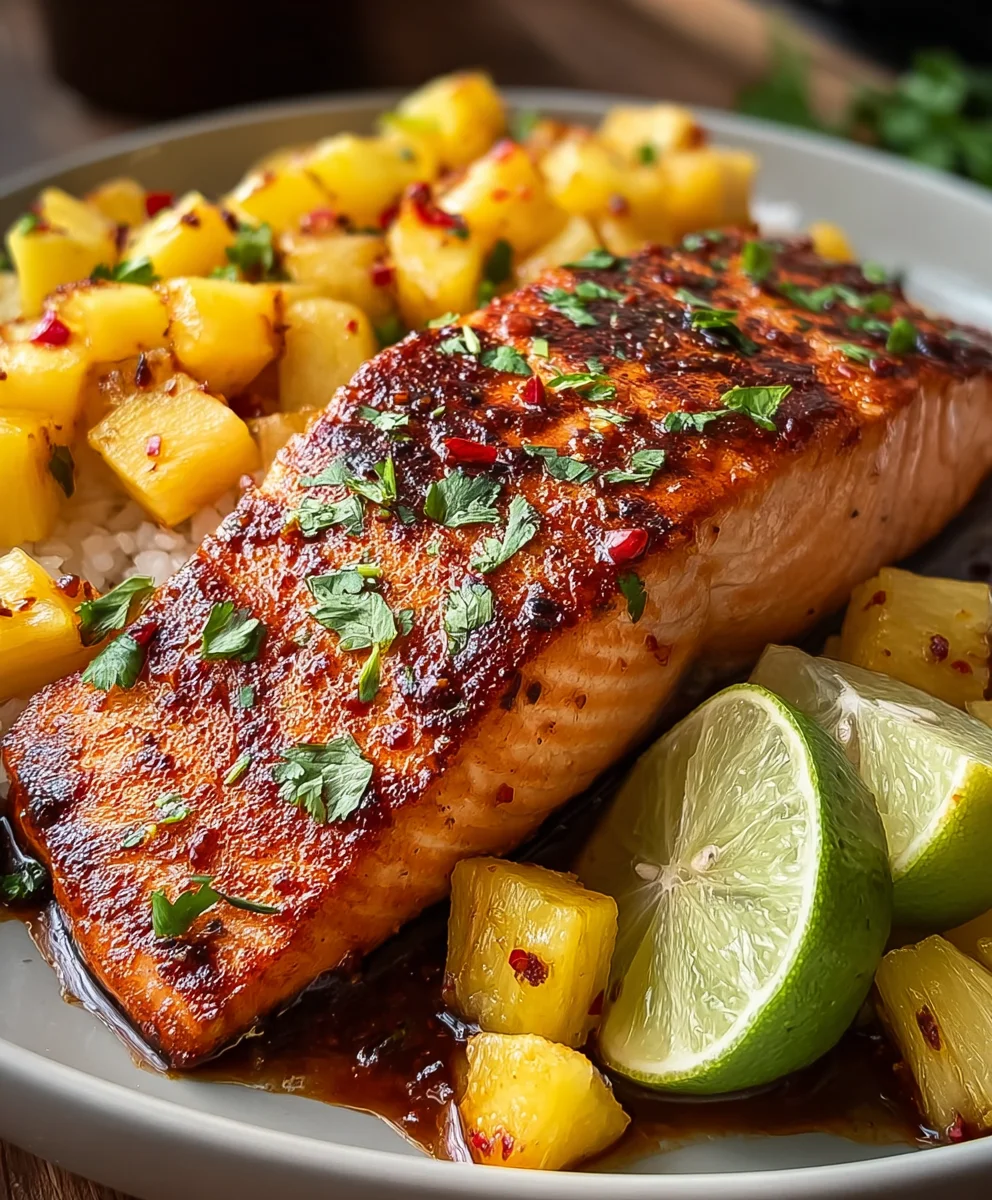
Once cooked, remove the skillet from the oven. Let the salmon rest in the skillet for about 5 minutes before serving. This resting period allows the juices to redistribute throughout the fillet, ensuring a moist and tender result. While the salmon is resting, you can gently warm up any extra glaze in a small saucepan if you wish to serve it as a sauce on the side. Serve the Pineapple Chipotle Salmon immediately, perhaps garnished with fresh cilantro or a lime wedge, and enjoy the explosion of sweet, spicy, and smoky flavors!
Conclusion:
You’ve now learned how to create the deliciously sweet and smoky Pineapple Chipotle Salmon, a dish that’s sure to impress your taste buds and your dinner guests! We’ve covered everything from selecting the freshest salmon to achieving that perfect caramelized glaze. This recipe is wonderfully versatile, making it a go-to for weeknight meals and special occasions alike. Don’t be afraid to experiment and make it your own!
For serving, the Pineapple Chipotle Salmon is fantastic alongside fluffy white rice, quinoa, or a fresh green salad. Roasted asparagus or grilled corn on the cob also make excellent complements. Thinking about variations? You can adjust the heat level by adding more or less chipotle peppers in adobo sauce, or even incorporate a touch of honey for extra sweetness. Consider adding a squeeze of fresh lime juice just before serving for a bright, zesty finish. I truly encourage you to give this Pineapple Chipotle Salmon a try – you won’t be disappointed!
Frequently Asked Questions:
Q1: Can I use a different type of fish instead of salmon?
Absolutely! While salmon is ideal due to its rich flavor and texture that stands up well to the glaze, you can also try this recipe with other firm, flaky fish like cod, halibut, or even swordfish. Adjust cooking times as needed, as different fish cook at varying rates.
Q2: How can I make the Pineapple Chipotle Salmon spicier?
To increase the heat, simply add more chopped chipotle peppers from the adobo sauce. You can also add a pinch of cayenne pepper or a dash of your favorite hot sauce to the marinade. For a milder version, use less chipotle and more pineapple juice.
Spicy Pineapple Chipotle Salmon Recipe
A flavorful salmon fillet glazed with a sweet and spicy pineapple chipotle sauce, perfect for a weeknight meal.
Ingredients
-
1 lb salmon fillet
-
1 cup pineapple juice
-
2 tbsp chipotle peppers in adobo, minced
-
1/4 cup honey
-
2 tbsp soy sauce
-
1 tbsp lime juice
-
1 tsp garlic powder
-
1/2 tsp salt
-
1/4 tsp black pepper
-
1 tbsp olive oil
Instructions
-
Step 1
In a medium bowl, whisk together pineapple juice, minced chipotle peppers in adobo, honey, soy sauce, lime juice, garlic powder, salt, and black pepper to create the glaze. Taste and adjust seasonings as needed. -
Step 2
Pat the salmon fillet dry with paper towels. Place the salmon in a resealable bag or shallow dish. Pour about half of the glaze over the salmon, ensuring it’s coated. Marinate in the refrigerator for 30-60 minutes. -
Step 3
Preheat your oven to 400°F (200°C). Heat olive oil in an oven-safe skillet over medium-high heat. Sear the salmon for 2-3 minutes per side until lightly browned. -
Step 4
Transfer the skillet to the preheated oven and bake for 8-12 minutes, or until the salmon is cooked through and flakes easily with a fork. For the last 3-5 minutes of baking, brush the reserved glaze over the salmon. -
Step 5
Remove the skillet from the oven and let the salmon rest for 5 minutes before serving. Optionally, warm any extra glaze to serve on the side.
Important Information
Nutrition Facts (Per Serving)
It is important to consider this information as approximate and not to use it as definitive health advice.
Allergy Information
Please check ingredients for potential allergens and consult a health professional if in doubt.