Dairy Free Pesto Recipe – Easy & Delicious
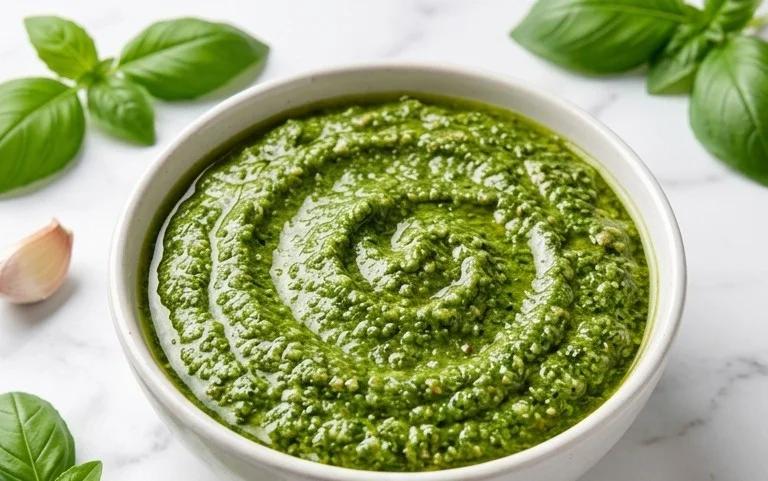
Dairy Free Pesto is a game-changer for anyone craving that vibrant, herbaceous flavor without the dairy. For so long, my pesto dreams were limited by the presence of Parmesan cheese, a delicious but exclusionary ingredient. But what if I told you there’s a way to capture that same zesty, garlicky goodness, that satisfying richness, and that unmistakable basil aroma, all while keeping it completely dairy-free? That’s precisely what this recipe delivers. It’s a testament to how simple, fresh ingredients can come together to create something truly magical. The beauty of this dairy free pesto lies not only in its inclusivity but also in its versatility. Think of all the ways you can elevate your meals – from slathering it on toasted bread to tossing it with pasta, coating chicken, or even dolloping it onto roasted vegetables. Get ready to rediscover your love for pesto with this incredibly satisfying, plant-powered version!
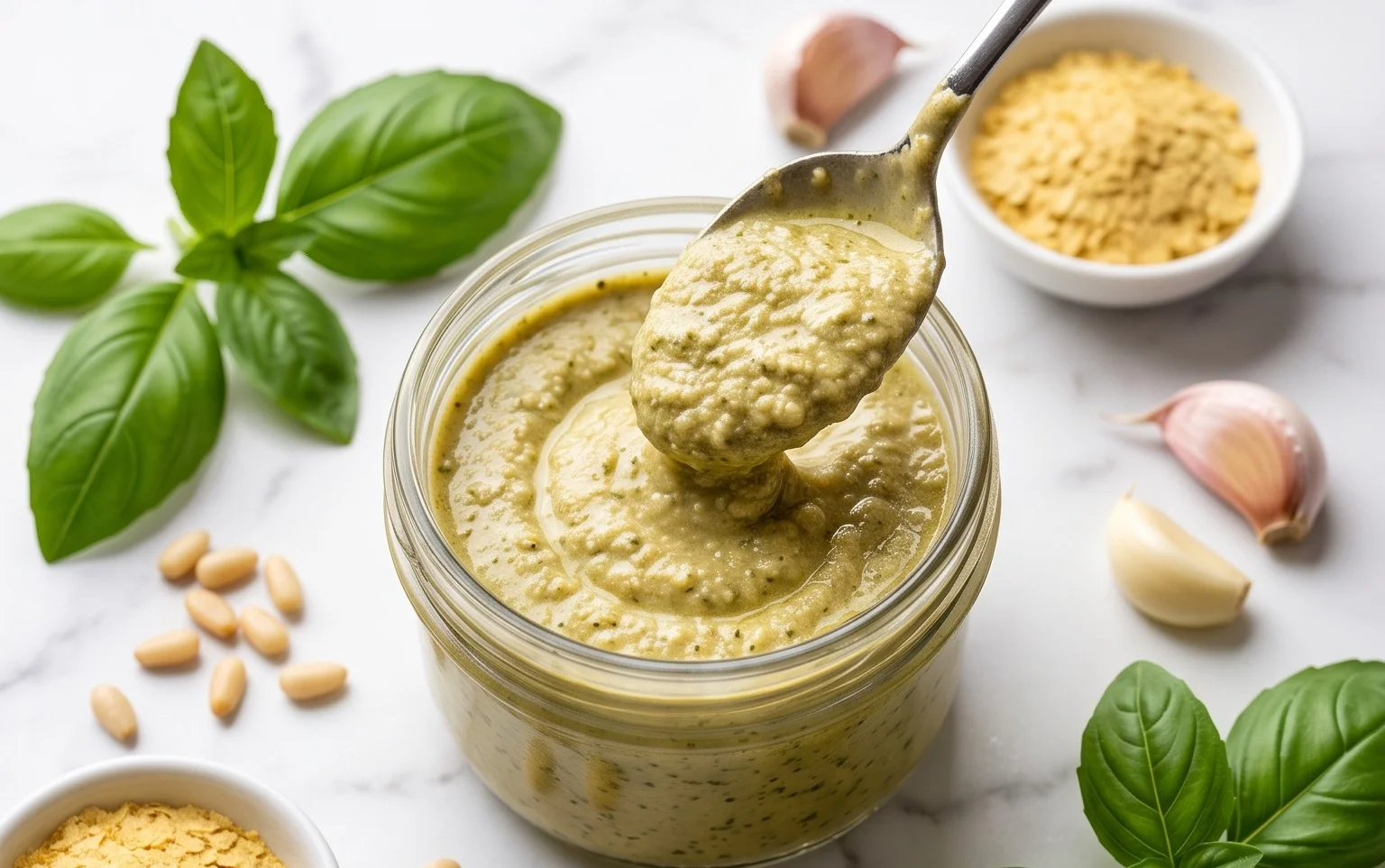
Dairy Free Pesto
There’s something incredibly vibrant and fresh about pesto. Traditionally made with basil, pine nuts, garlic, olive oil, and that unmistakable salty kick of Parmesan cheese, it’s a flavor bomb that can elevate pasta, sandwiches, dips, and so much more. However, for those of us navigating a dairy-free lifestyle, the classic Parmesan is a no-go. But fear not! Creating a delicious, dairy-free pesto is surprisingly simple and every bit as flavorful as its traditional counterpart. The secret lies in a clever little ingredient that provides a cheesy, umami depth without any dairy at all. Get ready to whip up a batch of this incredibly versatile sauce that will become a staple in your kitchen.
This dairy-free pesto recipe is all about maximizing fresh, vibrant flavors. The bright herbaceousness of basil is complemented by the nutty richness of pine nuts, the pungent bite of garlic, and the zesty brightness of lemon. The olive oil acts as the emulsifier, binding everything together into that luscious, smooth consistency we all love. And for that crucial “cheesy” element? We’re turning to nutritional yeast. This deactivated yeast has a naturally savory, nutty, and slightly cheesy flavor that’s a revelation for dairy-free cooking. It’s a pantry staple I can’t recommend enough for anyone looking to add depth and complexity to their plant-based dishes.
Ingredients:
Instructions:
Prepare your basil. This is arguably the most important ingredient for a vibrant pesto, so using fresh, good-quality basil is key. Wash your basil leaves gently and pat them thoroughly dry with a clean kitchen towel or paper towels. Any excess water can make your pesto watery and less flavorful. You can use just the leaves, or a few tender stems if you like, but avoid the tougher, woody stems. Pack your 3 cups of basil leaves loosely into your food processor or blender. It might look like a mountain, but trust me, it will reduce in volume significantly as it’s processed.
Toast the pine nuts. While you can use raw pine nuts, toasting them lightly before adding them to the pesto unlocks a deeper, nuttier flavor and a more desirable texture. Place your 1/2 cup of pine nuts in a dry skillet over medium-low heat. Stir them constantly or shake the pan frequently to prevent burning. They’ll turn a beautiful golden-brown color and become fragrant in just a few minutes, usually around 3-5 minutes. Keep a close eye on them, as they can go from toasted to burnt very quickly! Once toasted, remove them from the skillet immediately and let them cool slightly before adding them to your food processor. If you’re using other nuts or seeds, toast them similarly until fragrant and lightly golden.
Add the aromatics and nuts. Once your basil is in the food processor and your pine nuts have cooled slightly, it’s time to add the other flavor powerhouses. Add the peeled garlic cloves and the toasted pine nuts to the food processor with the basil. Now, pulse the mixture a few times to break down the garlic and nuts. You want to create a slightly coarse texture at this stage, not a complete paste. This initial pulsing helps to distribute the flavors more evenly.
Incorporate the liquids and seasonings. Now it’s time to add the liquids and seasonings that will bring everything together. Squeeze the juice from half a lemon directly into the food processor. This brightens the pesto and cuts through the richness. Add the 1/4 cup of extra virgin extract olive oil. Start with this amount; you can always add a touch more later if you prefer a looser consistency. Sprinkle in the 1/2 teaspoon of salt. Now, add the 2 tablespoons of nutritional yeast. This is your secret weapon for that authentic pesto flavor without the dairy. If you were making a non-dairy-free version and wanted to add Parmesan, this is where it would go. Pulse the mixture again, scraping down the sides of the food processor as needed. Continue pulsing until the pesto is well combined and reaches your desired consistency. Some people like their pesto a bit chunkier, while others prefer it smoother.
Process to perfection and adjust. With the ingredients combined, continue processing the pesto. Scrape down the sides of the food processor or blender occasionally to ensure everything is incorporated. As it processes, you’ll notice the vibrant green color really coming through. Process until the pesto is as smooth or as chunky as you like it. For a smoother pesto, you might want to let it run for an extra minute or two, letting the olive oil emulsify further. If the pesto seems too thick for your liking, you can add another tablespoon or two of olive oil, or even a tiny splash of water, and pulse again until it reaches your desired consistency. Taste your pesto and adjust the seasoning. Does it need more salt? A little more lemon juice for brightness? Perhaps a touch more nutritional yeast for cheesiness? Don’t be afraid to tweak it to your personal preference. This is where you truly make it your own.
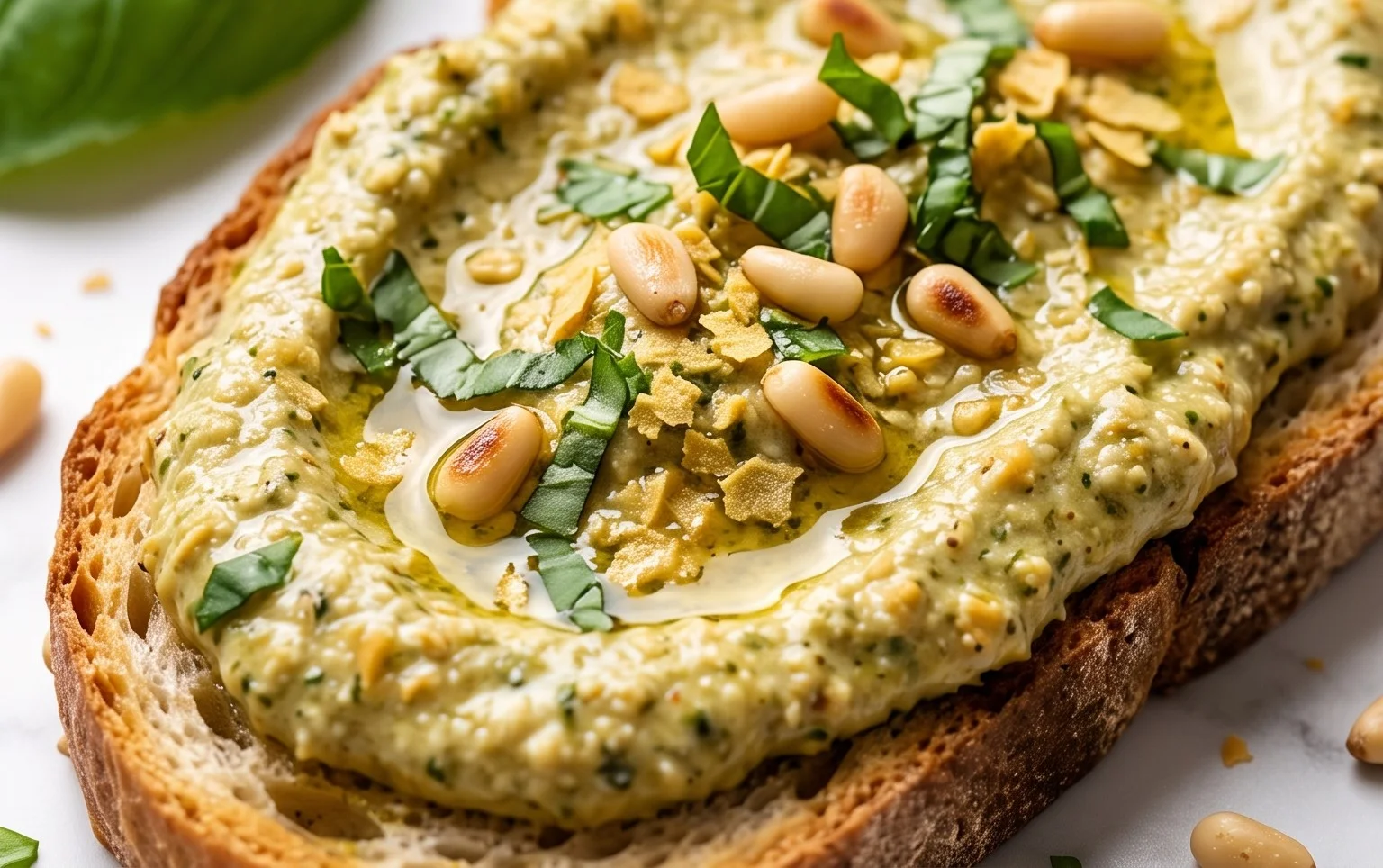
Once your dairy-free pesto is ready, it’s incredibly versatile. Toss it with your favorite pasta for a quick and flavorful meal. Spread it on sandwiches or wraps for a burst of freshness. Dollop it onto grilled vegetables, chicken, or fish. It also makes a fantastic base for dips and salad dressings. Store your dairy-free pesto in an airtight container in the refrigerator for up to a week, or freeze it in ice cube trays for longer storage. Enjoy the taste of fresh, homemade, dairy-free goodness!
Conclusion:
I hope you’re as excited as I am to try this delicious dairy free pesto! It’s a fantastic way to enjoy the vibrant, herby flavors of traditional pesto without any dairy. This recipe is wonderfully versatile, incredibly easy to whip up, and perfect for anyone looking for a plant-based alternative or simply wanting to broaden their culinary horizons. Whether you’re a seasoned chef or a begin extractner in the kitchen, this dairy free pesto is sure to become a new favorite. Its bright, fresh taste can elevate so many dishes, making it a go-to condiment for weeknight meals and special occasions alike.
Don’t hesitate to experiment with serving suggestions! It’s absolutely divine tossed with pasta (gluten-free or otherwise), spread on crusty bread, dolloped onto grilled vegetables, or used as a marinade for tofu or chicken. For variations, consider adding a pinch of red pepper flakes for a little heat, or swapping out some of the basil for fresh mint or parsley. There are so many ways to make this recipe your own. I truly encourage you to give this dairy free pesto a try; I think you’ll be delighted with the results!
Frequently Asked Questions:
How long does this dairy free pesto last?
When stored in an airtight container in the refrigerator, this dairy free pesto will typically stay fresh for about 5-7 days. To further extend its shelf life, you can pour a thin layer of olive oil over the top before sealing, which helps prevent oxidation.
Can I freeze this pesto?
Yes, absolutely! Freezing is a great way to enjoy this dairy free pesto long-term. You can freeze it in ice cube trays for convenient single-serving portions, or in a larger airtight container. Once frozen, transfer the cubes to a freezer bag. It should keep well for up to 3 months.
What kind of nuts can I use instead of pine nuts?
Pine nuts offer a delicate flavor, but you can certainly substitute them! Walnuts or cashews work wonderfully and provide a slightly richer, creamier texture. Blanched almonds are another excellent option if you prefer a milder taste. Just make sure to toast them lightly before adding to the food processor for an enhanced flavor.
Dairy Free Pesto
A vibrant and flavorful dairy-free pesto, perfect for pasta, sandwiches, and more. Uses nutritional yeast for a cheesy flavor without dairy.
Ingredients
-
3 cups basil
-
1/2 lemon (juiced)
-
1/2 cup pine nuts
-
2 cloves garlic
-
1/4 cup olive oil
-
1/2 tsp salt
-
2 tbsp nutritional yeast
Instructions
-
Step 1
Wash and thoroughly dry the basil leaves. -
Step 2
In a food processor, combine the basil, pine nuts, and garlic. -
Step 3
Pulse until the ingredients are finely chopped. -
Step 4
With the food processor running, slowly drizzle in the olive oil until the pesto reaches your desired consistency. -
Step 5
Add the lemon juice, salt, and nutritional yeast. Pulse again to combine. -
Step 6
Taste and adjust seasoning as needed.
Important Information
Nutrition Facts (Per Serving)
It is important to consider this information as approximate and not to use it as definitive health advice.
Allergy Information
Please check ingredients for potential allergens and consult a health professional if in doubt.