Easy Homemade Bread Recipe-Simple Steps To Delicious Loaves
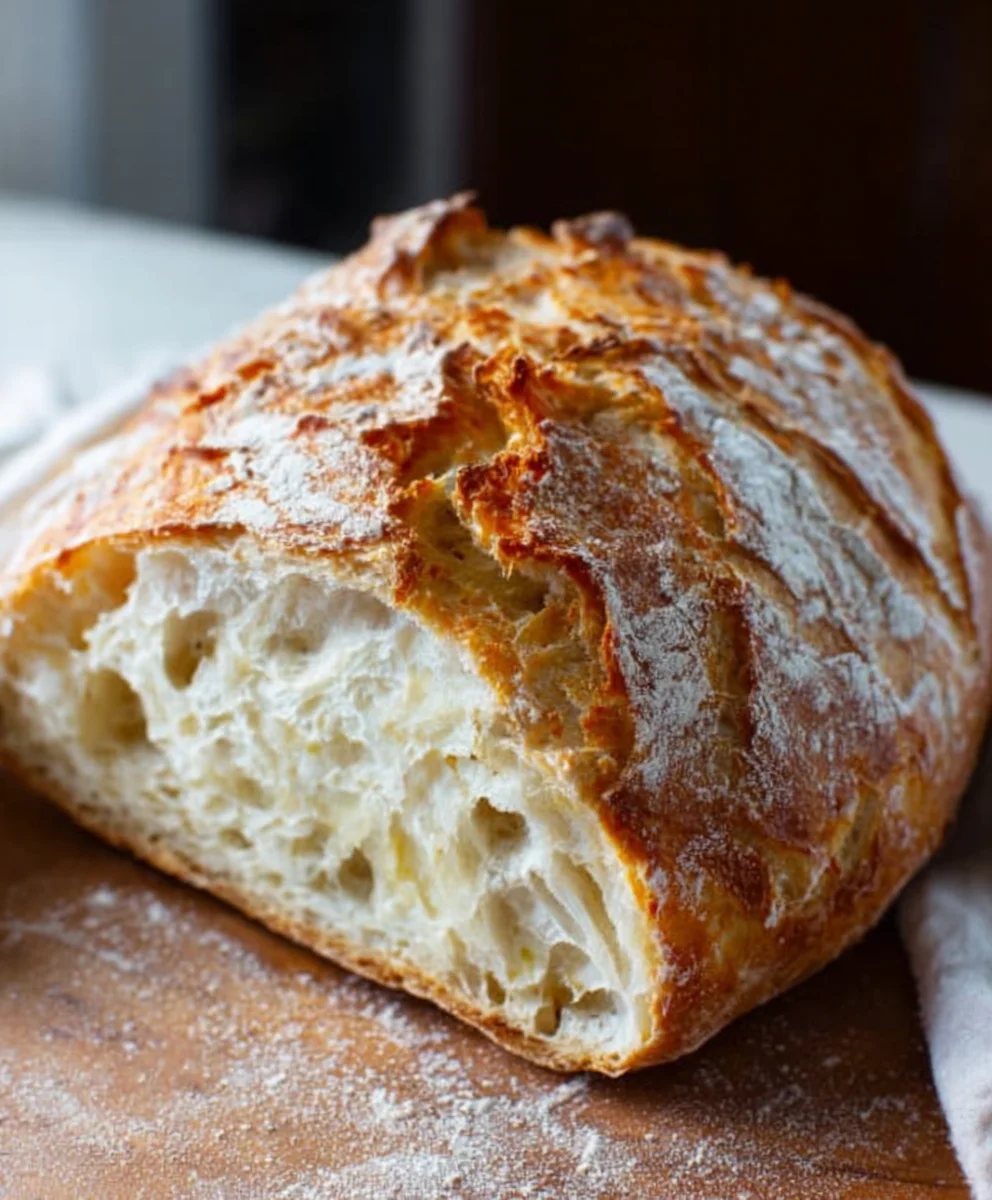
Homemade Bread, oh, the aroma that fills your kitchen as it bakes is simply unparalleled, isn’t it? There’s a certain magic in transforming simple ingredients – flour, water, yeast, and salt – into a warm, crusty loaf that’s better than anything you’ll find at the grocery store. People adore this fundamental delight for so many reasons: its comforting scent, its satisfying chew, and the sheer pride that comes from creating something so wholesome from scratch. What truly sets homemade bread apart is the ability to control every element, from the type of flour used to the subtle additions of herbs or seeds. This recipe we’re about to dive into will guide you through creating a perfectly balanced loaf, one that’s both accessible for begin extractners and rewarding for seasoned bakers. Get ready to experience the joy of pulling a golden-brown masterpiece, fresh from your own oven.
Ingredients:
- 2 cups warm water (105-115 degrees Fahrenheit / 40-46 degrees Celsius)
- 1 Tablespoon active dry yeast
- 1/4 cup honey (or granulated sugar as an alternative)
- 2 teaspoons salt
- 2 Tablespoons cooking oil (such as canola or vegetable oil)
- 4 to 5 1/2 cups all-purpose flour or bread flour (you may need slightly more or less depending on humidity)
Preparing the Dough: The Foundation of Your Homemade Bread
This recipe is designed to guide you through the process of creating wonderfully tender and flavorful homemade bread. We’ll start with activating the yeast, which is a crucial first step for a light and airy loaf. In a large mixing bowl, or the bowl of your stand mixer if you’re using one, combine the 2 cups of warm water. It’s important that the water is within the specified temperature range; too hot and you’ll kill the yeast, too cold and it won’t activate properly. You can test this by dipping your finger in – it should feel comfortably warm, like a baby’s bath. Next, sprinkle the 1 Tablespoon of active dry yeast over the warm water. Don’t stir it in just yet. Let it sit for about 5 to 10 minutes. You should see it start to foam and become visibly active, creating a thick, frothy layer on top. This foam is a sign that your yeast is alive and ready to work its magic in our homemade bread dough. If you don’t see any foam, your yeast might be old or the water wasn’t the right temperature, and it’s best to start over with fresh yeast.
Once the yeast is foamy and active, add the 1/4 cup of honey (or sugar) and the 2 Tablespoons of cooking oil to the water and yeast mixture. The honey not only adds a subtle sweetness and aids in browning, but it also acts as food for the yeast, further encouragin extractg its activity. Whisk these ingredients together gently until the honey is mostly dissolved. Now it’s tigin extractto begin incorporating the flour. Add the 2 teaspoons of salt. Salt is essential for flavor and also plays a role in controlling the yeast’s fermentation, ensuring a more even rise.
Incorporating Flour and Developing the Dough
With your wet ingredients and salt combined, it’s time to add the flour. Start by adding about 4 cups of the all-purpose or bread flour to the bowl. If you’re using a stand mixer, attach the dgin extracth hook and begin mixing on low speed. If you’re mixing by hand, use a sturdy spoon or your hands to combine the ingredients. The dough will be shaggy and quite sticky at this stage. Continue adding more flour, about 1/2 cup at a time, until the dough starts to pull away from the sides of the bowl. You’re aiming for a dough that is still slightly tacky to the touch but not excessively sticky. The exact amount of flour needed can vary based on factors like humidity and the type of flour you’re using, so it’s best to add it gradually until you reach the right consistency.
Once the dough has come together and you’ve added enough flour, it’s time to knead. Kneading develops the gluten in the flour, which gives our homemade bread its structure and chew. If using a stand mixer, increase the speed to medium-low and knead for about 6 to 8 minutes. The dough should become smooth, elastic, and less sticky. If you’re kneading by hand, turn the dough out onto a lightly floured surface and knead for about 10 to 12 minutes. To knead by hand, push the dough away from you with the heels of your hands, then fold it back over itself and give it a quarter turn. Repeat this motion rhythmically. You’ll know the dough is ready when it springs back slowly when you gently poke it and passes the windowpane test: when you stretch a small piece of dough very thin, you should be able to see light through it without it tearing.
The First Rise: Patience for Perfection
After kneading, lightly grease a clean large bowl with a little oil. Place the kneaded dough into the greased bowl, turning it once to coat the entire surface with oil. This prevents the dough from drying out as it rises. Cover the bowl tightly with plastic wrap or a damp kitchen towel. Place the covered bowl in a warm, draft-free spot to rise. A good place is in a slightly warm oven (turned off, but warmed slightly and then cooled before placing the dough inside) or on top of your refrigerator. Let the dough rise for about 1 to 1.5 hours, or until it has doubled in size. This is the critical first fermentation phase for your homemade bread, where the yeast produces carbon dioxide gas, making the dough light and airy. You’ll see a significant puffiness, and it should feel noticeably lighter when you gently press it.
Shaping and the Second Rise: Building Structure
Once the dough has doubled in size, it’s time to gently punch it down. This is done by pressing your fist into the center of the dough to release the accumulated gases. Turn the dough out onto a lightly floured surface. At this point, you can divide the dough if you want to make smaller loaves or rolls, or shape it into your desired loaf shape for a single loaf. For a classic sandwich loaf, gently pat or roll the dough into a rectangle, then tightly roll it up into a log, pinching the seam to seal it. Tuck the ends under to create a neat shape. Place the shaped dough into a greased loaf pan, or onto a baking sheet lined with parchment paper if you prefer a freeform loaf.
Cover the shaped dough loosely with plastic wrap or a clean kitchen towel and let it rise again for another 30 to 45 minutes, or until it has nearly doubled in size. This second rise, often called proofing, allows the dough to regain its airy texture and prepares it for baking. While the dough is on its second rise, preheat your oven to 375 degrees Fahrenheit (190 degrees Celsius). This ensures the oven is at the correct temperature when your bread is ready to bake, promoting an even and efficient bake for your delicious homemade bread.
Baking Your Homemade Bread: The Grand Finnon-alcoholic ale
When the dough has completed its second rise and the oven is preheated, it’s time to bake. You can optionally brush the top of the loaf with a little milk or an egg wash for a golden, shiny crust. Carefully place the loaf pan or baking sheet into the preheated oven. Bake for approximately 30 to 40 minutes, or until the crust is deep golden brown and the internal temperature of the bread reaches around 200-210 degrees Fahrenheit (93-99 degrees Celsius) when tested with an instant-read thermometer. A great way to tell if your bread is done without a thermometer is to tap the bottom of the loaf. If it sounds hollow, it’s perfectly baked.
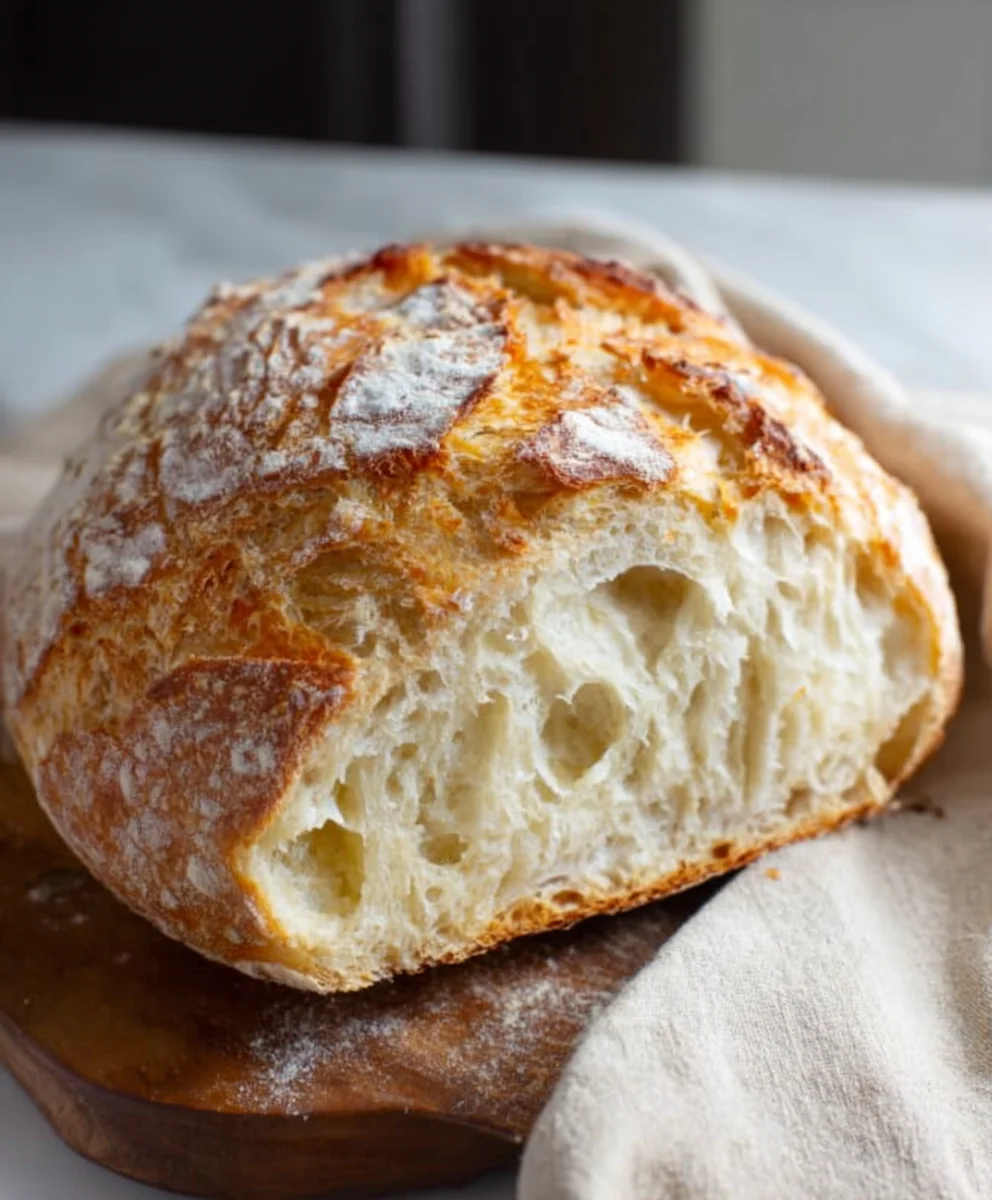
Once baked, immediately remove the bread from the loaf pan and place it on a wire cooling rack. This is very important to prevent the bottom crust from becoming soggy from trapped steam. Allow the homemade bread to cool completely before slicing. Slicing while it’s still hot can result in a gummy texture. Patience is key here, but the reward of warm, freshly baked homemade bread is absolutely worth the wait! Enjoy the incredible aroma filling your kitchen and savor the fruits of your labor.
Conclusion:
And there you have it – your very own delicious loaf of Homemade Bread, fresh from your oven! We hope you enjoyed the journey of creating this versatile staple. This recipe is designed to be straightforward, offering a wonderful sense of accomplishment with every golden crust and airy crum extractb. Feel free to get creative with your serving ideas! This bread is magnificent served warm with butter, used to soak up rich stews and soups, or as the base for decadent French toast. Don’t be afraid to experiment with variations! For a richer flavor, consider adding a tablespoon of honey or a pinch of herbs like rosemary or thyme to the dough. You can also swap out some of the all-purpose flour for whole wheat for a heartier texture. The beauty of Homemade Bread lies in its adaptability. So, embrace the process, enjoy the aroma filling your kitchen, and savor the unparalleled taste of bread made with your own hands. Happy baking!
Frequently Asked Questions:
Why is my Homemade Bread dense?
A dense loaf can often be attributed to insufficient kneading, which develops the gluten structure. Ensure you are kneading until the dough is smooth and elastic. Over-proofing or under-proofing can also contribute. If you live in a very humid climate, your yeast might be more active, requiring less proofing time. Lastly, make sure your baking soda or yeast is fresh!
Can I make this Homemade Bread ahead of time?
Absolutely! Once the bread has cooled completely, it can be stored in an airtight container or bread bag at room temperature for up to 3-4 days. For longer storage, slice the cooled loaf and freeze it. Frozen bread can be reheated directly from frozen in a toaster or oven.
Easy Homemade Bread Recipe-Simple Steps To Delicious Loaves
A simple and straightforward recipe for making delicious, tender, and flavorful homemade bread with easy-to-follow steps.
Ingredients
-
2 cups warm water (105-115 degrees Fahrenheit / 40-46 degrees Celsius)
-
1 Tablespoon active dry yeast
-
1/4 cup honey (or granulated sugar as an alternative)
-
2 teaspoons salt
-
2 Tablespoons cooking oil (such as canola or vegetable oil)
-
4 to 5 1/2 cups all-purpose flour or bread flour
Instructions
-
Step 1
Activate the yeast: In a large mixing bowl, combine warm water and active dry yeast. Let it sit for 5-10 minutes until foamy and active. -
Step 2
Add wet ingredients and salt: To the foamy yeast mixture, add honey (or sugar), cooking oil, and salt. Whisk gently until honey is mostly dissolved. -
Step 3
Incorporate flour and knead: Gradually add flour, about 4 cups to start, mixing until a shaggy dough forms. Add more flour a little at a time until the dough is slightly tacky. Knead for 6-8 minutes (stand mixer) or 10-12 minutes (by hand) until smooth and elastic. -
Step 4
First Rise: Place the kneaded dough in a lightly oiled bowl, turning to coat. Cover and let rise in a warm, draft-free spot for 1-1.5 hours, or until doubled in size. -
Step 5
Shape and Second Rise: Gently punch down the dough. Shape it into your desired loaf form and place in a greased loaf pan or on a baking sheet. Cover and let rise for another 30-45 minutes, or until nearly doubled. -
Step 6
Bake: Preheat oven to 375°F (190°C). Bake for 30-40 minutes, or until the crust is deep golden brown and the internal temperature reaches 200-210°F (93-99°C). You can tap the bottom; it should sound hollow. -
Step 7
Cool: Immediately remove the bread from the pan and place it on a wire cooling rack. Allow it to cool completely before slicing to prevent a gummy texture.
Important Information
Nutrition Facts (Per Serving)
It is important to consider this information as approximate and not to use it as definitive health advice.
Allergy Information
Please check ingredients for potential allergens and consult a health professional if in doubt.