Perfect Ramen Eggs Ajitama Simple Recipe
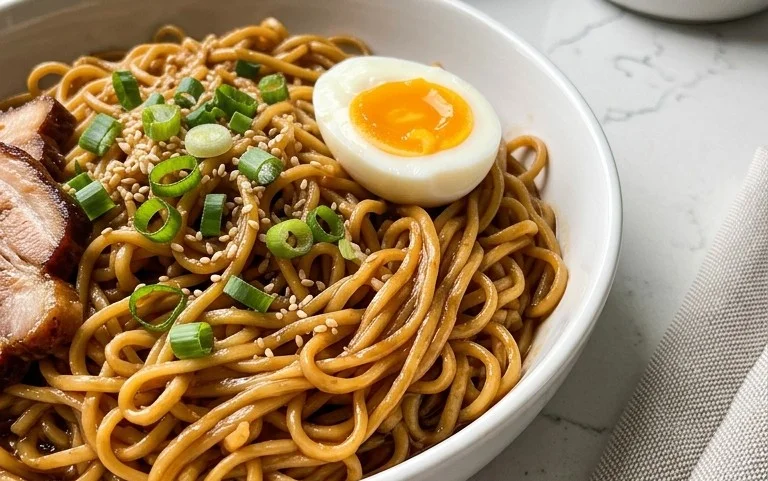
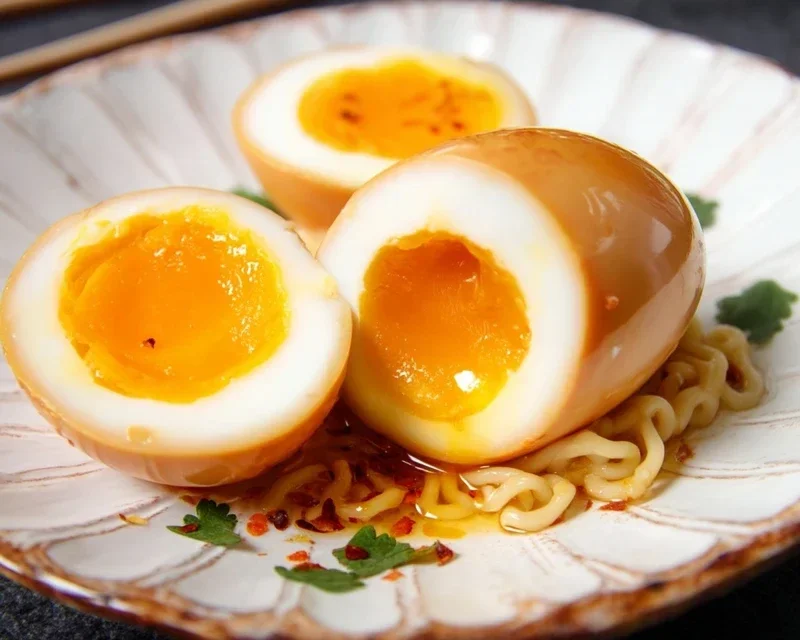
Ramen eggs, or ajitama, are more than just a topping; they’re a revelation. Imagin extracte a perfectly soft-boiled egg, its yolk a molten amber river, infused with a deeply savory, umami-rich marinade. That’s the magic of ajitama, and it’s precisely why they’ve become a beloved staple in ramen bowls worldwide. It’s this incredible textural contrast – the yielding white giving way to that creamy, flavorful center – that elevates a simple egg into something truly extraordinary. What makes these ramen eggs so special is the alchemy that happens during their marination. The humble egg absorbs the complex flavors of soy sauce, non-alcoholic mirin, and often a hint of non-alcoholic sake or dashi, transforming into a culinary masterpiece that adds an irresistible depth to any dish it graces. Once you’ve experienced the delight of a perfectly seasoned ajitama, you’ll understand why they deserve their own spotlight.
Ramen Eggs (Ajitama)
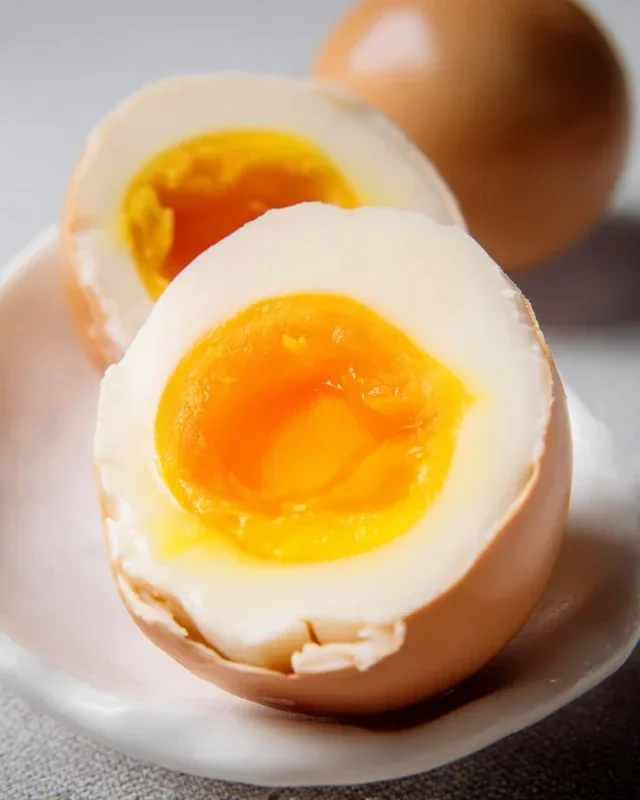
There’s something incredibly special about a perfectly cooked ramen egg, also known as Ajitama. That beautiful, jammy yolk, infused with a savory-sweet marinade, is a star component of any ramen bowl, elevating it from a simple noodle soup to a truly decadent experience. While the thought of perfectly soft-boiled eggs might seem daunting, with a little guidance, you can master the art of making these delicious marinated eggs right in your own kitchen. They’re not just for ramen either; they make a fantastic addition to poke bowls, salads, or even just enjoyed on their own as a protein-rich snack.
The key to amazing Ajitama lies in two crucial steps: achieving the perfect soft-boiled egg consistency and then letting it soak in a flavorful marinade. The result is an egg with a firm, yet tender white and a gloriously creamy, almost molten yolk that has absorbed all the deliciousness of the marinade. Let’s get started on creating these culinary gems.
Ingredients:
*Note on eggs: For the best results, I recommend using eggs that are a few days old rather than super fresh ones. Fresher eggs tend to be harder to peel after boiling. If you only have very fresh eggs, you might need to be a little more patient and gentle when peeling.
Preparing the Eggs: Achieving the Perfect Soft-Boil
The first, and arguably most critical, step is to cook your eggs to that perfect soft-boiled stage. You want the whites to be set, but the yolks to be wonderfully runny and creamy.
1. Bring Water to a Rolling Boil: Fill a medium saucepan with enough water to fully submerge your eggs. Bring the water to a vigorous, rolling boil over high heat. If you’re using a touch of vinegar (about a teaspoon), add it to the water now. The vinegar helps to coagulate the egg whites quickly if any cracks appear, preventing too much egg white from escaping.
2. Gently Add the Eggs: Once the water is at a rolling boil, carefully lower your eggs into the boiling water. You can use a slotted spoon or a spider strainer to gently place them in, one by one, to avoid cracking them against the bottom of the pot. It’s important to lower them gently to prevent them from bumping against each other and cracking.
3. Boil for Exactly 6-7 Minutes: This is where the magic happens. As soon as you’ve added the last egg, set a timer for precisely 6 to 7 minutes. I find 6.5 minutes to be the sweet spot for a beautifully jammy yolk, but you can adjust slightly based on your preference and the size of your eggs. If you prefer a slightly firmer yolk, lean towards 7 minutes. For a more liquid yolk, aim for 6 minutes. Maintaining a rolling boil throughout this time is crucial for consistent cooking.
4. Immediate Ice Bath: The moment your timer goes off, you need to stop the cooking process immediately. Prepare a large bowl filled with ice and cold water. Using your slotted spoon, carefully remove the eggs from the boiling water and plunge them directly into the ice bath. Let them sit in the ice bath for at least 10-15 minutes. This rapid cooling not only stops the cooking but also makes them much easier to peel. The shock of the cold can help the membrane separate from the egg white.
Crafting the Flavorful Marinade
While your eggs are chilling, it’s time to prepare the savory and slightly sweet marinade that will infuse them with incredible flavor. This mixture is simple to make and delivers a punch of umami.
Marinating the Ajitama
Once your eggs have cooled and are peeled, they’re ready to be bathed in their delicious marinade. The marinating time is just as important as the cooking time for developing that signature Ajitama flavor.
5. Combine Marinade Ingredients and Marinate: In a small resealable container or a sturdy zip-top bag, combine the soy sauce, water, non-non-non-alcoholic alternativeic non-alcoholic mirin, and granulated sugar. Stir or shake the container until the sugar is completely dissolved. Now, carefully add your peeled, soft-boiled eggs to the marinade. Make sure the eggs are fully submerged in the liquid. If your container is too small to submerge them completely, you can gently turn them every few hours to ensure even marination. Seal the container and refrigerate for at least 4 hours, but for the best flavor, I recommend marinating them for 12 to 24 hours. The longer they marinate, the deeper the flavor will penetrate into the egg white and yolk. You can even marinate them for up to 3 days, though the yolk might start to firm up more significantly after day 2.
And there you have it! Perfectly homemade Ajitama, ready to elevate your next bowl of ramen or any dish you desire. Enjoy the creamy yolk and savory infusion!
Conclusion:
So there you have it – your guide to mastering the perfect Ramen Eggs, or Ajitama! This simple yet incredibly rewarding recipe is a true game-changer for elevating your noodle bowls. The magic lies in the balance: a perfectly jammy yolk cradled within tender egg white, infused with a savory and slightly sweet marinade. It’s not just about taste; the beautiful golden yolk adds a stunning visual appeal to any dish. I find myself making a batch of these delicious Ramen Eggs almost weekly, they are that good!
The beauty of Ajitama is their versatility. While they are undeniably the crowning glory of a steaming bowl of ramen, don’t stop there! Try them sliced in half atop a hearty miso soup, nestled into a donburi rice bowl, or even incorporated into a creative salad. For variations, feel free to experiment with your marinade. A splash of non-alcoholic mirin adds extra sweetness, while a pinch of chili flakes can introduce a welcome warmth. You can also adjust the soy sauce and dashi ratio to suit your preference. I highly encourage you to give this recipe a try; it’s a small effort for a big culinary payoff.
Frequently Asked Questions about Ramen Eggs:
How long do Ramen Eggs last?
Properly stored in the marinade in an airtight container in the refrigerator, your Ramen Eggs should stay delicious for about 3-4 days. The marinade helps to preserve them.
Can I make the marinade ahead of time?
Absolutely! The marinade can be prepared a day or two in advance and stored in the refrigerator. This makes the egg marinating process even quicker when you’re ready to assemble your Ajitama.
What is the best way to peel the eggs after marinating?
Gently roll the marinated egg on a hard surface to crackle the shell all over. Then, carefully peel under cool running water; the cool water helps to loosen the shell, making it easier to remove without damagin extractg the delicate egg white.
Ramen Eggs (Ajitama)
Soft-boiled eggs marinated in a savory soy-based liquid, perfect for topping ramen or as a snack.
Ingredients
-
6 large egg
-
1/2 cup soy sauce
-
1/4 cup water
-
1/4 cup non-alcoholic mirin
-
2 tablespoons granulated sugar
-
1 tablespoon vinegar (optional for boiling eggs)
Instructions
-
Step 1
Gently place eggs in a saucepan and cover with cold water, adding optional vinegar. Bring to a rolling boil over high heat. -
Step 2
Once boiling, reduce heat to medium and cook for exactly 6 minutes for a jammy yolk. Immediately transfer eggs to an ice bath to stop the cooking. -
Step 3
While eggs cool, whisk together soy sauce, water, non-alcoholic mirin, and granulated sugar in a bowl or container until sugar is dissolved. -
Step 4
Once eggs are completely cool, carefully peel them. Place the peeled eggs into the marinade. -
Step 5
Ensure eggs are submerged in the marinade. Cover and refrigerate for at least 4 hours, or preferably overnight, turning them occasionally. -
Step 6
Remove eggs from marinade, slice in half, and serve.
Important Information
Nutrition Facts (Per Serving)
It is important to consider this information as approximate and not to use it as definitive health advice.
Allergy Information
Please check ingredients for potential allergens and consult a health professional if in doubt.