Sumac Potato Salad Recipe- Tangy & Delicious Side Dish
Sumac potato salad is about to become your new obsession, and I can’t wait for you to try it. Forget everything you thought you knew about potato salad, because this vibrant, zesty twist is a game-changer. We all love a good potato salad, right? It’s the ultimate picnic companion, the reliable BBQ sidekick, the comforting dish that always hits the spot. But sometimes, classic can feel… well, a little too classic. That’s where our sensational sumac potato salad steps in, injecting a burst of bright, tangy flavor that will awaken your taste buds. The secret ingredient, sumac, a beautiful crimson spice with a delightful lemony zing, elevates simple potatoes into something extraordinary. It’s this unexpected, refreshing tang, combined with creamy textures and fresh herbs, that makes this sumac potato salad truly special and utterly irresistible.
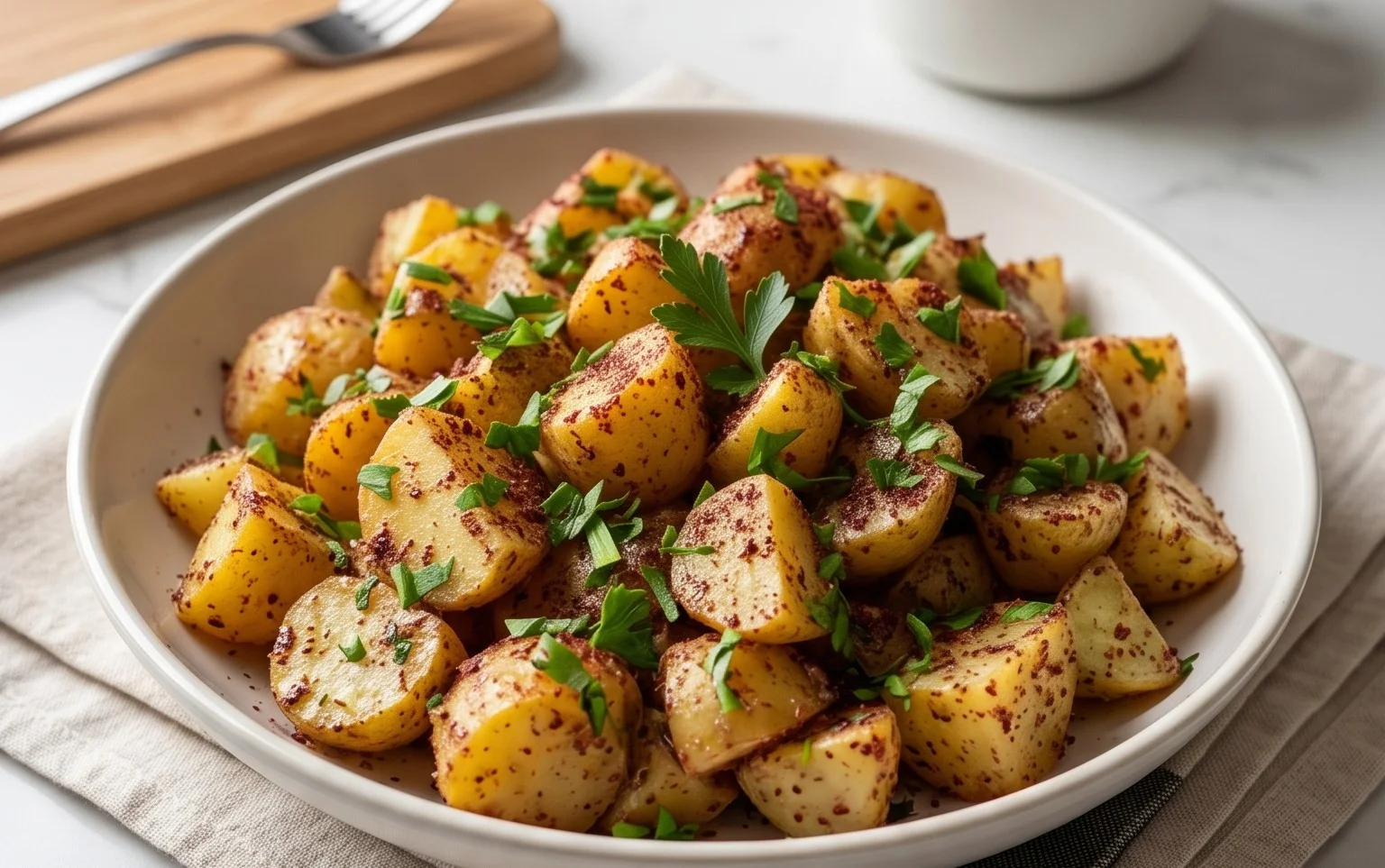
Sumac Potato Salad
Are you tired of the same old mayonnaise-laden potato salad? Do you crave a vibrant, zesty, and surprisingly refreshing take on this classic side dish? Then let me introduce you to my Sumac Potato Salad. This recipe is a revelation, trading creaminess for a bright, tangy flavor profile that’s absolutely addictive. The star of the show, sumac, lends a beautiful citrusy note that perfectly complements the earthy potatoes and the savory accents. It’s the perfect accompaniment to grilled meats, a light lunch on its own, or a welcome addition to any potluck or picnic spread. This salad is incredibly versatile and can be easily adapted to your personal taste, but I urge you to try it as is first to truly appreciate the magic of the sumac. The combination of textures and flavors is simply outstanding, and I guarantee it will become a new favorite in your recipe repertoire.
Ingredients:
Cooking Instructions:
Preparing the Potatoes
The foundation of any great potato salad is, of course, the potatoes. For this recipe, I highly recommend using either Yukon gold or red potatoes. Their waxy texture holds their shape beautifully after cooking, preventing them from turning into a mushy mess. Russets, while delicious for mashed potatoes, tend to break down too much. Start by washing your potatoes thoroughly. You can peel them if you prefer, but I often leave the skins on for added texture and nutrients – just make sure they are scrubbed clean! Cut the potatoes into roughly equal-sized chunks, about 1 to 1.5 inches. This ensures they cook evenly. Place the potato chunks in a large pot and cover them with cold water. Add a generous pinch of salt to the water; this is your first opportunity to season the potatoes from the inside out. Bring the water to a boil over medium-high heat. Once boiling, reduce the heat to a simmer and cook for about 15-20 minutes, or until the potatoes are fork-tender. You should be able to easily pierce them with a fork, but they shouldn’t be falling apart. Drain the potatoes well and let them cool slightly. We don’t want them piping hot when we dress them, as this can make the salad greasy, but a little warmth helps them absorb the dressing beautifully.
Assembling the Salad Base
While the potatoes are cooling, it’s time to prepare the other delicious components of our salad. Thinly slicing the red onion is crucial for a pleasant bite. If you find raw onion a bit too sharp, you can soak the sliced onion in cold water for about 10 minutes, then drain it thoroughly. This will mellow out its flavor significantly. Chop your black olives and pickles. I like to use good quality olives for the best flavor. For the pickles, any kind will do, but dill pickles offer a lovely tang. Rinse and drain the capers; they are quite salty on their own, so rinsing helps control the overall saltiness of the dish. Finely chop your fresh parsley. Fresh herbs are non-negotiable for this salad; they bring a burst of freshness that’s essential. Finally, chop your sun-dried tomatoes. If you’re using oil-packed sun-dried tomatoes, you can drain them, but a little of the oil can add a lovely richness. Combine all these chopped ingredients – the red onion, olives, pickles, capers, parsley, and sun-dried tomatoes – in a large mixing bowl. This is where all the vibrant flavors will start to come together.
Creating the Zesty Dressing
Now for the magic! This dressing is what sets this potato salad apart. In a separate small bowl, whisk together the olive oil and balsamic vinegar. This forms the base of our tangy dressing. Next, sprinkle in the star ingredient: sumac. If you haven’t cooked with sumac before, you’re in for a treat! It’s a beautiful, deep red spice with a distinct lemony flavor. It adds a wonderful tartness without being overwhelmingly acidic. Follow this with the chili flakes. Adjust the amount of chili flakes to your preference for heat. If you like a little kick, go for the full ½ teaspoon; if you prefer mild, start with ¼ teaspoon. Finally, add salt to taste. Remember that olives and capers are already salty, so taste your dressing before adding too much salt. Whisk everything together until well combined. The dressing should be a lovely reddish-brown hue from the sumac and balsamic.
Combining and Chilling
Once your potatoes have cooled to a warm, not hot, temperature, gently add them to the bowl with the chopped ingredients. Pour the prepared dressing over the potatoes and the other components. Using a large spoon or spatula, gently toss everything together. You want to coat all the potato chunks evenly with the dressing without mashing the potatoes. Be thorough but gentle! Once everything is well mixed and the potatoes are glistening with the dressing, cover the bowl tightly with plastic wrap. For the flavors to truly meld and develop, this potato salad needs to chill in the refrigerator for at least 30 minutes, but I highly recommend chilling it for at least an hour, or even longer. The longer it chills, the more the flavors will deepen and harmonize. This allows the sumac to work its magic and the ingredients to truly become friends.
Serving and Enjoying
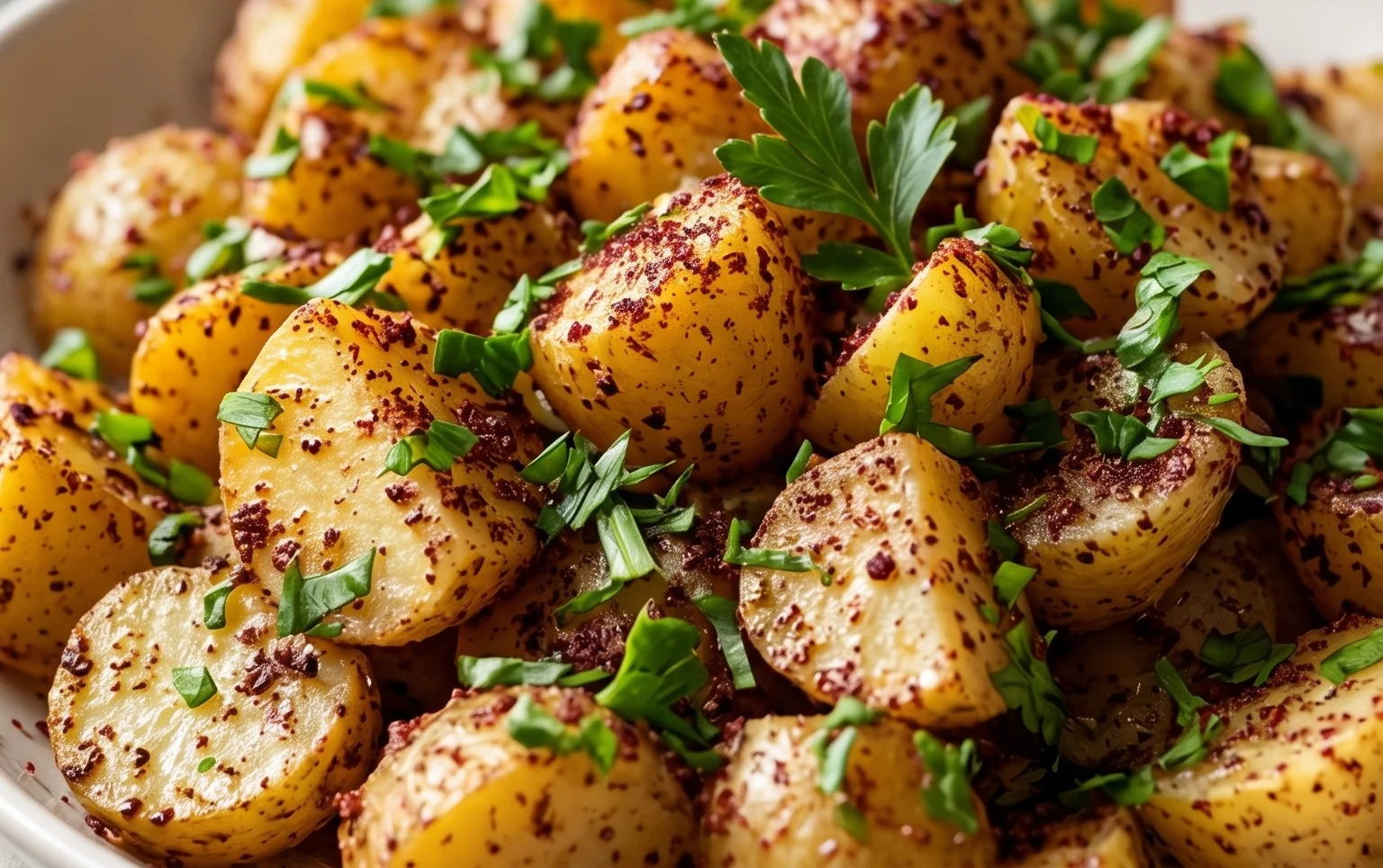
When you’re ready to serve your Sumac Potato Salad, give it another gentle toss. You can serve it chilled or at room temperature. It’s absolutely delicious on its own, but it pairs wonderfully with grilled chicken, fish, or lamb. It also makes a fantastic side dish for burgers or a vibrant addition to a mezze platter. If you like, you can garnish it with a little extra chopped parsley or a sprinkle of sumac just before serving for an extra pop of color and flavor. This salad is best enjoyed within 2-3 days and should be kept refrigerated. I find that the flavors actually improve on the second day! Enjoy this bright, refreshing, and utterly delicious twist on a classic.
Conclusion:
I hope you’re as excited to try this Sumac Potato Salad as I am to share it with you! This recipe offers a vibrant and refreshing twist on a classic, proving that potato salad can be both familiar and exciting. The earthy, citrusy notes of sumac, combined with creamy mayonnaise, tender potatoes, and fresh herbs, create a flavor profile that is simply irresistible. It’s the perfect side dish for barbecues, picnics, or a simple weeknight meal, bringin extractg a burst of Mediterranean-inspired flavor to any occasion. Don’t be afraid to experiment with the ingredients – this recipe is wonderfully adaptable. So, grab your potatoes, get your sumac ready, and dive into this delicious culinary adventure!
Serving this sumac potato salad alongside grilled chicken or fish is a fantastic idea, but it also shines as a standalone dish or as part of a larger mezze platter. Consider pairing it with pita bread and hummus for an authentic touch.
For variations, feel free to add chopped celery for extra crunch, a spoonful of Dijon mustard for a little kick, or even some crum extractbled feta cheese for a salty tang. If you’re looking for a lighter option, Greek yogurt can be substituted for some or all of the mayonnaise.
Frequently Asked Questions:
Can I make this sumac potato salad ahead of time?
Absolutely! This sumac potato salad actually benefits from being made ahead. Allowing the flavors to meld together in the refrigerator for a few hours or even overnight will deepen the taste and make it even more delicious. Just ensure it’s stored in an airtight container.
What kind of potatoes are best for this recipe?
Waxy potatoes like Yukon Gold or red potatoes work wonderfully. Their firm texture holds their shape well after boiling, preventing the salad from becoming mushy. Starchy potatoes like Russets can be used, but be mindful of overcooking them.
Where can I find sumac?
Sumac is widely available in specialty spice shops, international food aisles of larger supermarkets, and of course, online. It’s a staple in Middle Eastern cuisine, so look for it in those sections of your grocery store.
Sumac Potato Salad
A vibrant and zesty potato salad with a Middle Eastern twist, featuring sumac, sun-dried tomatoes, and olives.
Ingredients
-
4-5 medium potatoes (Yukon gold or red potatoes work well)
-
1 small red onion (thinly sliced)
-
½ cup black olives (chopped)
-
3 small pickles (chopped)
-
¼ cup capers
-
⅓ cup chopped parsley
-
5-6 sun dried tomatoes (chopped)
-
2 tbsp olive oil
-
2 tbsp balsamic vinegar
-
1 tbsp sumac
-
½ tsp chili flakes
-
salt to taste
Instructions
-
Step 1
Boil or steam the potatoes until tender but still firm. Let them cool slightly, then cut into bite-sized cubes. -
Step 2
In a large bowl, combine the cubed potatoes, thinly sliced red onion, chopped black olives, chopped pickles, capers, chopped parsley, and chopped sun-dried tomatoes. -
Step 3
In a small bowl, whisk together the olive oil, balsamic vinegar, sumac, chili flakes, and salt. -
Step 4
Pour the dressing over the potato mixture and gently toss to combine, ensuring all ingredients are evenly coated. -
Step 5
Taste and adjust seasoning with additional salt if needed. Chill for at least 30 minutes before serving to allow flavors to meld.
Important Information
Nutrition Facts (Per Serving)
It is important to consider this information as approximate and not to use it as definitive health advice.
Allergy Information
Please check ingredients for potential allergens and consult a health professional if in doubt.